Jan Robert Leegte – Interview
Art Basel 2026 · Zero 10
On compression, codecs, and the unstable boundary between abstraction, photography, and the networked image.
Ahead of Art Basel 2026, we spoke with Jan Robert Leegte about the structures shaping contemporary image production.
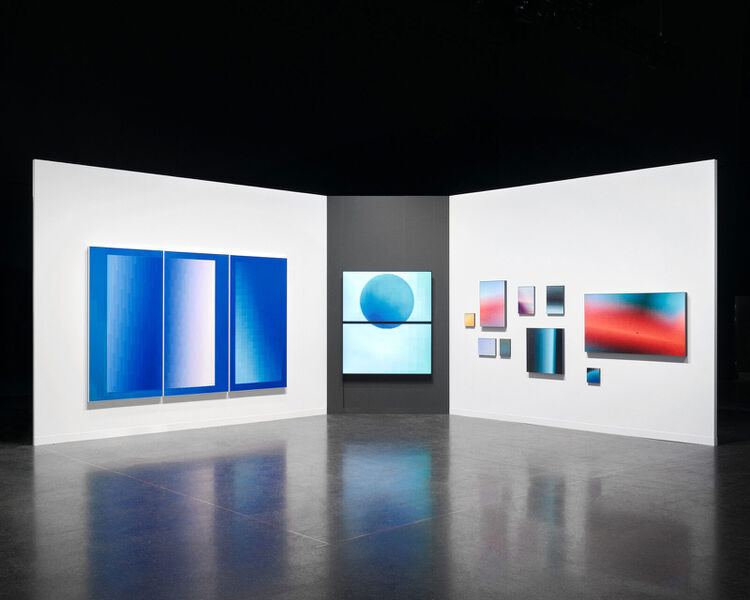
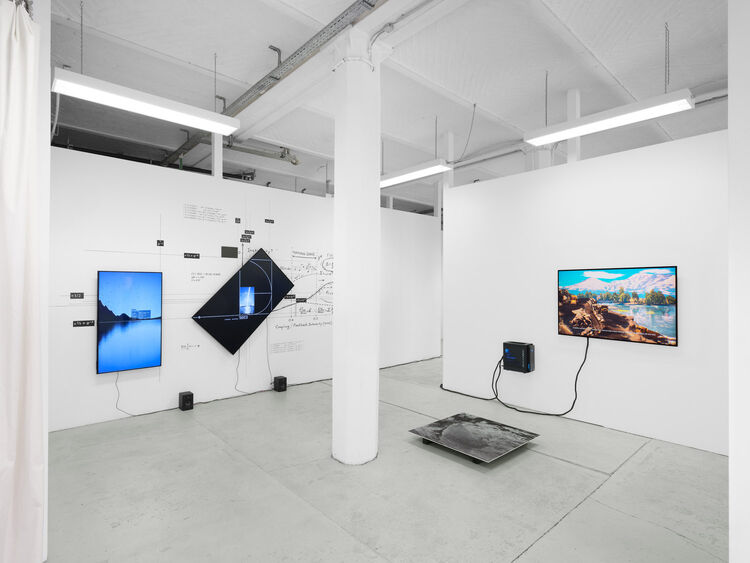
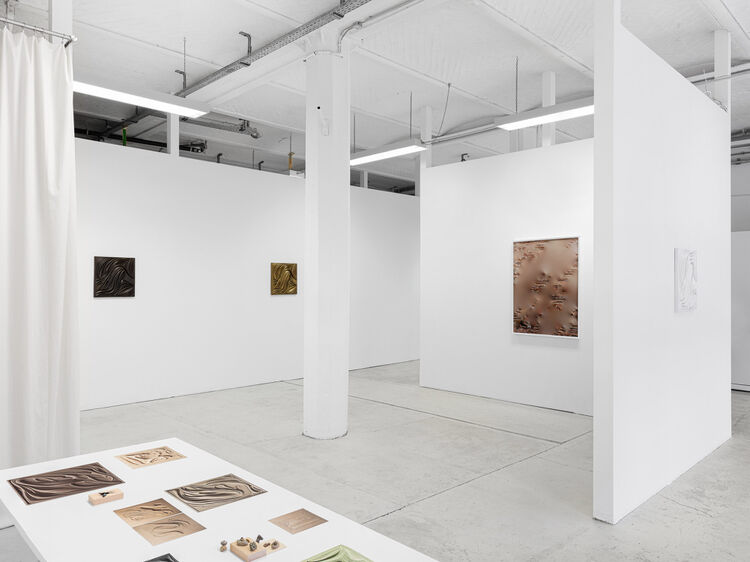
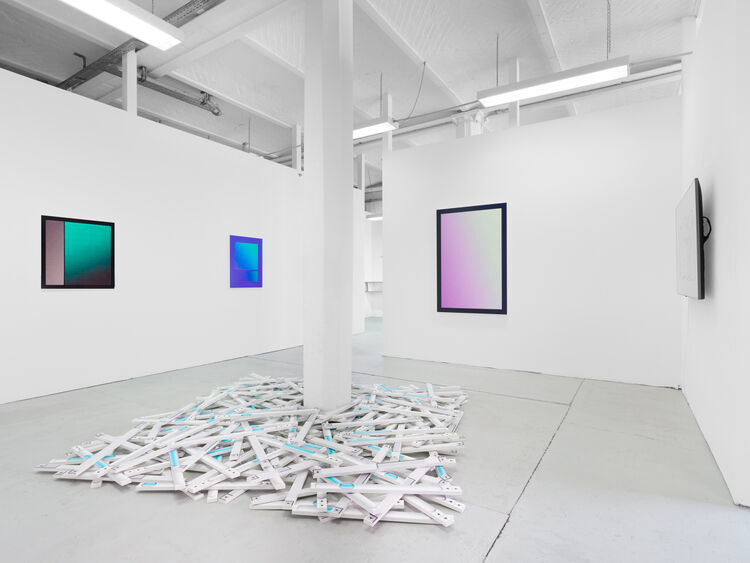
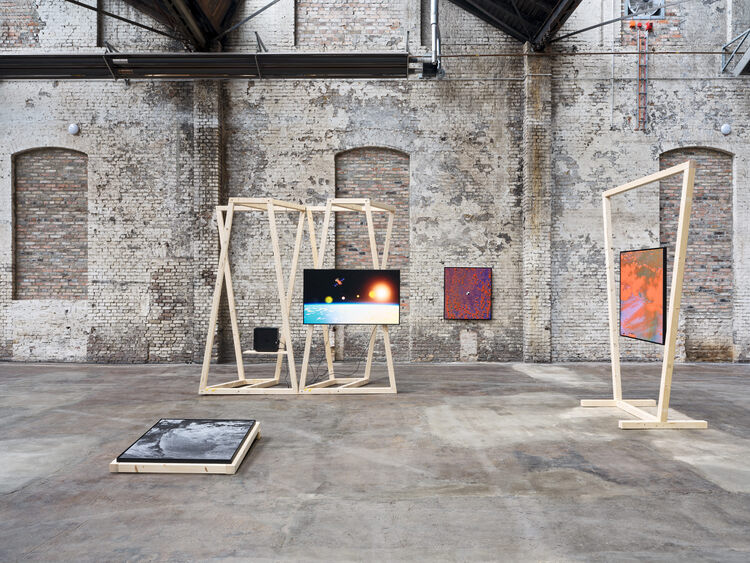
Bringing together the acclaimed JPEG series alongside the new bodies of work Sightings and Orbits, the presentation traces compression not simply as a technical process, but as the invisible infrastructure behind how images are generated, circulated, perceived, and believed today.
Presented by OFFICE IMPART and Upstream Gallery
For your solo presentation at Zero 10 Art Basel in Basel this June you will centre the presentation around three work series. What's the connecting thread — please tell us what we can expect.
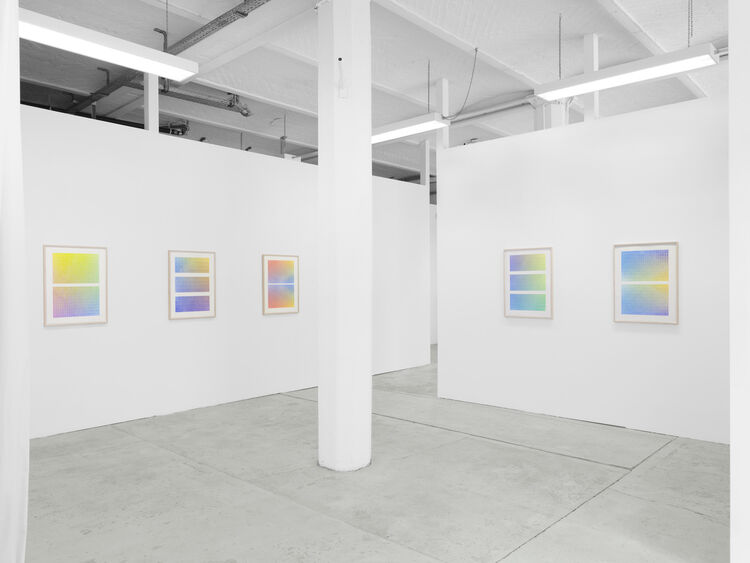
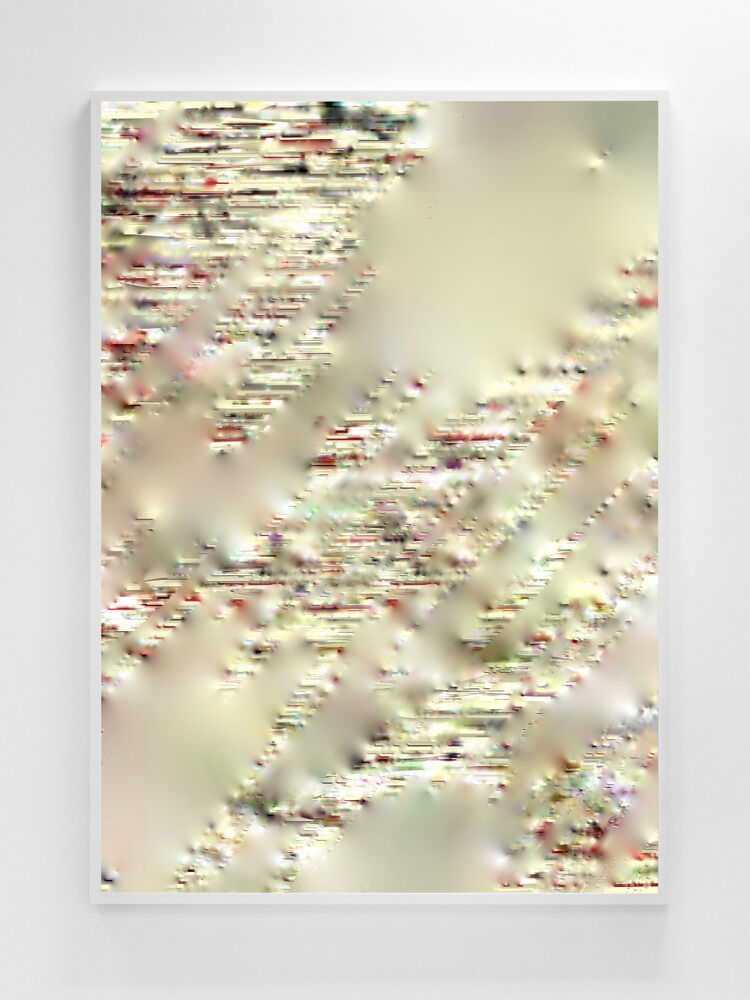
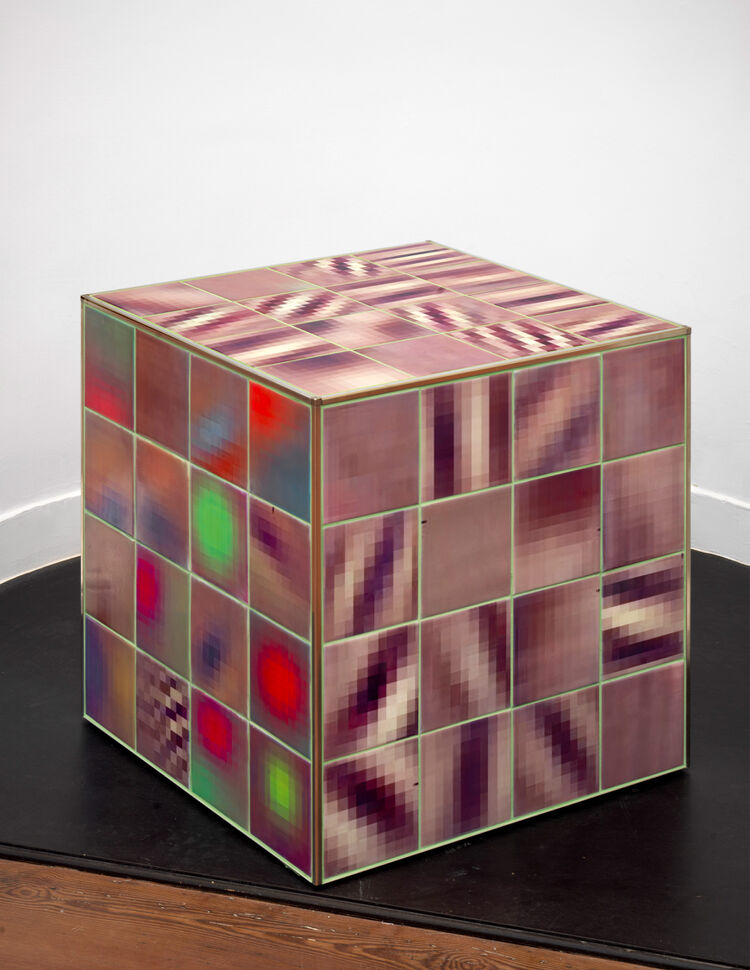
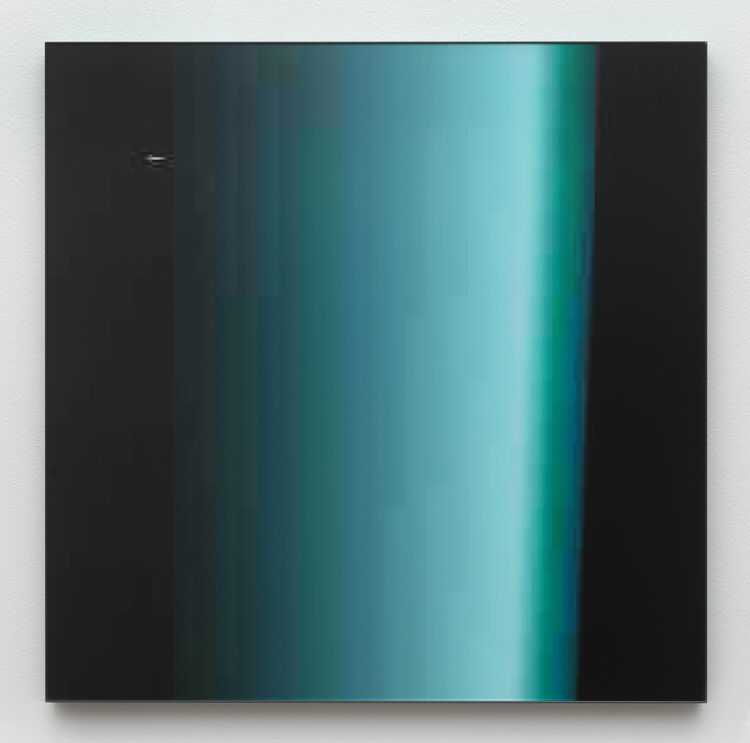
The three series build on the same principle: images arising from nothing. JPEG, Sightings and Orbits each add a different layer. JPEG is the ground state, the most radical reduction. Compression with no image beneath it, no subject, no reference, just the codec made visible in its pure state. Sightings keeps the same generative engine but lets it produce something that reads as photography, images that have never been in front of a lens. Orbits then extends the investigation into three dimensions and time, a 3D scene generated and compressed live, frame by frame, existing only in the instant the codec produces it.
What you will see is typical of the way I have worked for almost three decades. I don't use software to make art. I make art about software.
„I don't use software to make art; I make art about software.“
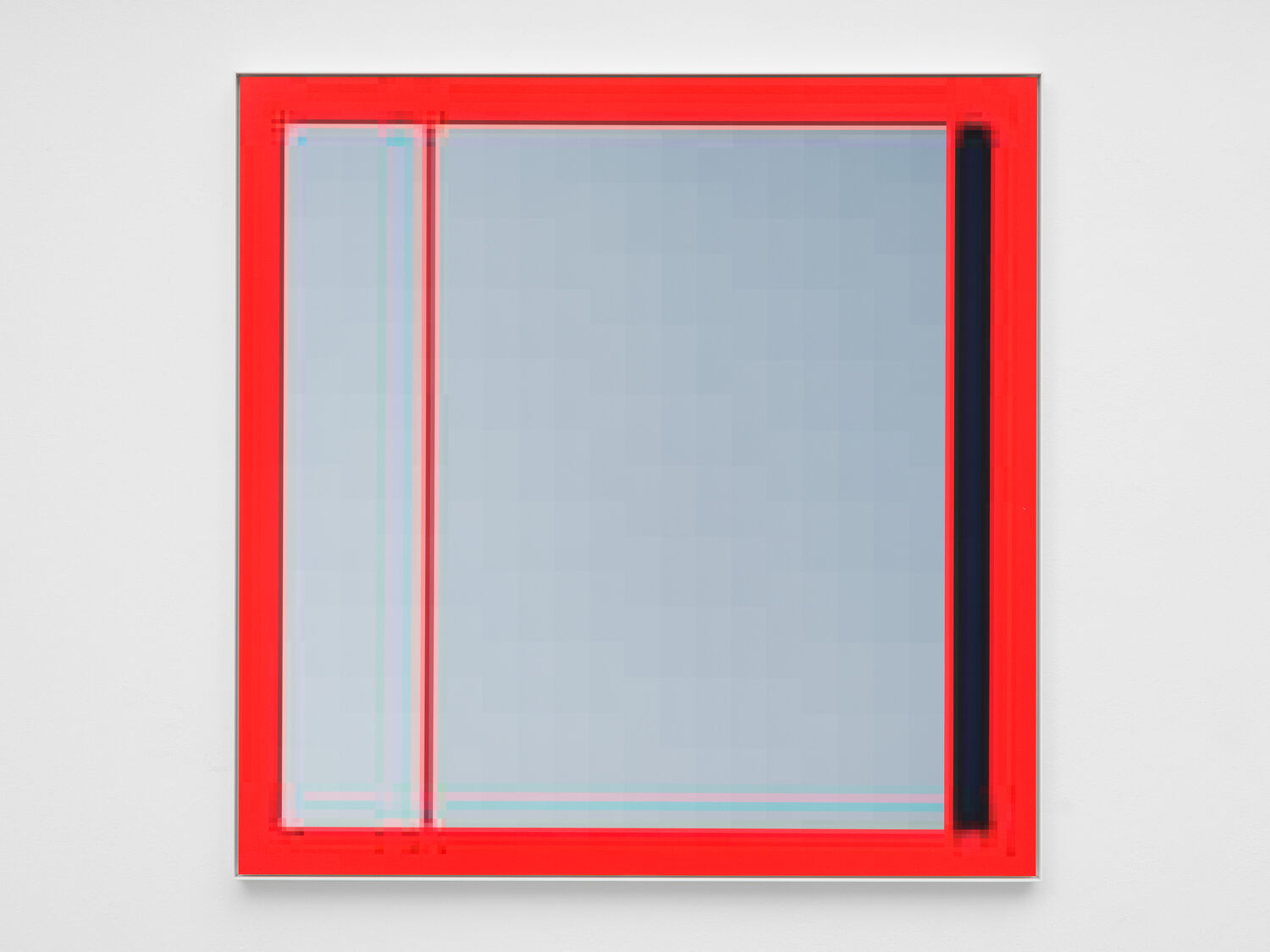
You started the JPEG series in 2022, in which you dived more into creating images around codes within a codec. What was your initial intention?
JPEG followed earlier compression work that used online images (Compressed Landscapes, 2016). Due to the nature of the blockchain, which is live software with very little storage capacity, I was inspired to make a continuation that would work with no source images at all. It led to a radical reductionist work in the ethos of the Abstract Expressionists. Pure material, no representation. Thinking in the spirit of Rothko: this is not a JPEG depicting an image. The JPEG is the image itself. The work was released on Art Blocks in 2022. In 2023, the work found a way into the physical context using dye sublimation on metal.
„It led to a radical reductionist work in the ethos of the Abstract Expressionists. Pure material, no representation.“
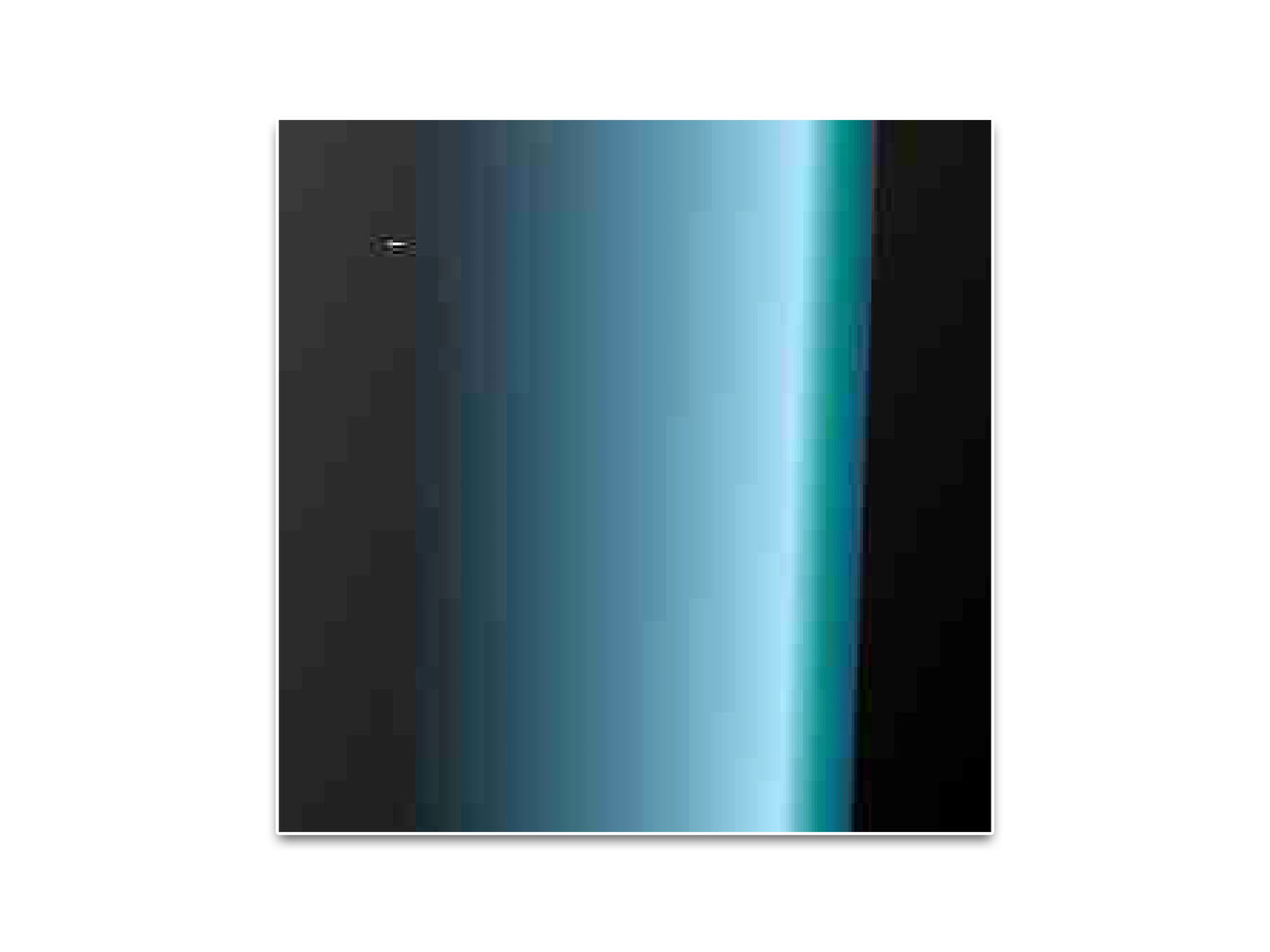
Sightings is the next step, creating imagery within the codec — building assumptions of scenery based on the viewer's knowledge. Tell us more about this new series debuting at Art Basel.
Photography has always been the native function of JPEG compression. It was the reason the codec was developed, the reason it became default infrastructure. Sightings turns that relationship inside out.
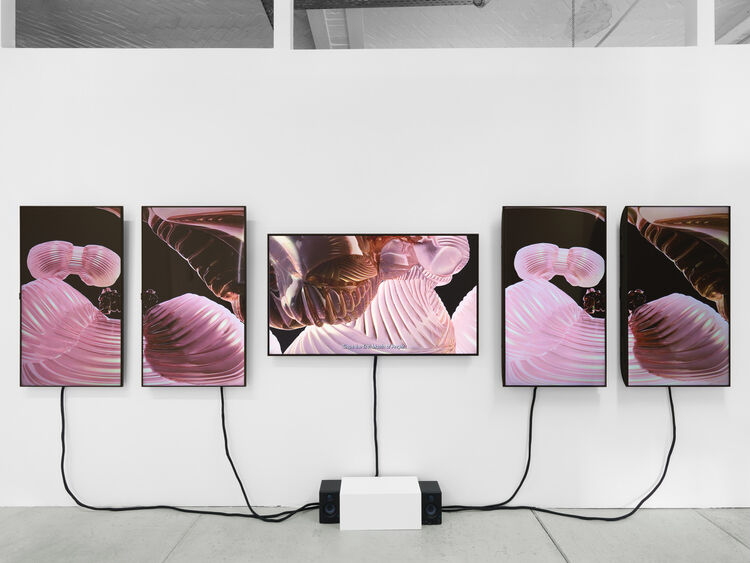
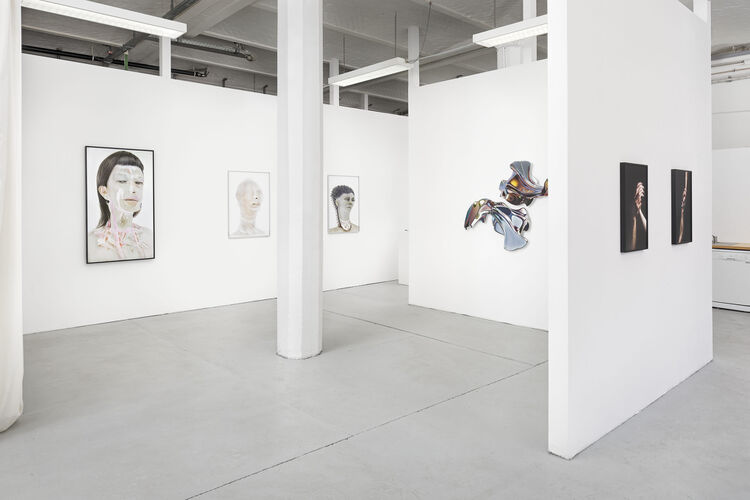
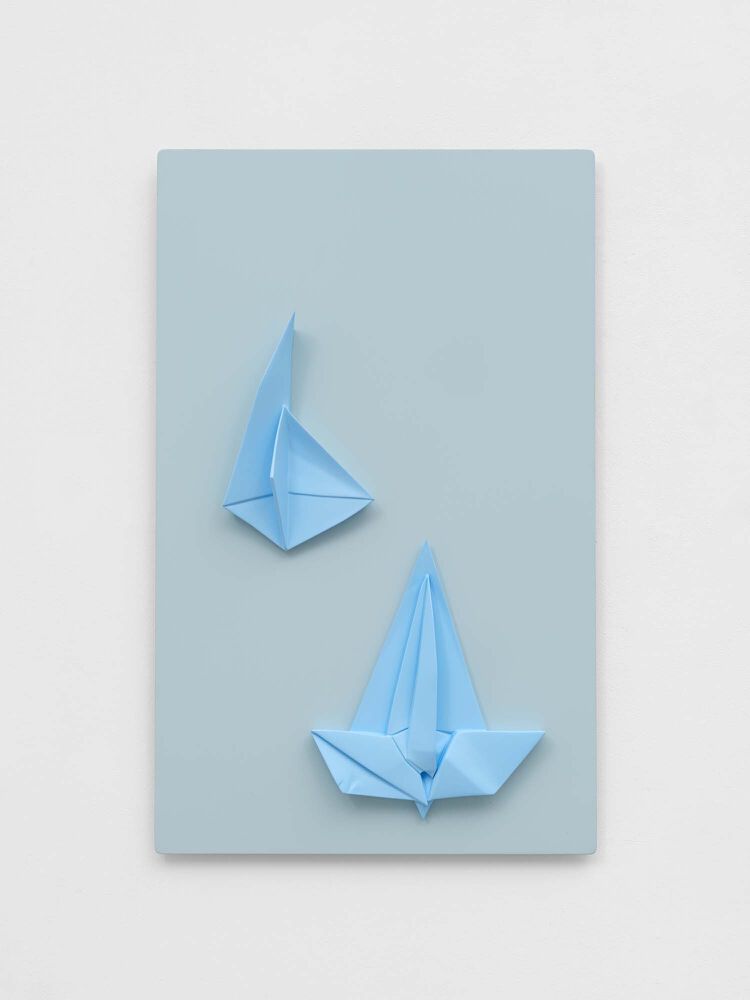
Generative software I developed produces images living entirely within extreme compression, with no photograph as source. No camera, no scene. And yet they read as captured: a zoomed-in galaxy image, that too-grainy UFO footage from the forums, viewing through a microscope at the edge of resolution. The title names exactly that condition. A sighting is what you call an image of something you cannot definitively identify, something seen, but not confirmed. The photographic feeling is entirely an effect of code and codec. It is not a photograph of something blurry. It is the blurriness itself, given the shape of a photograph.
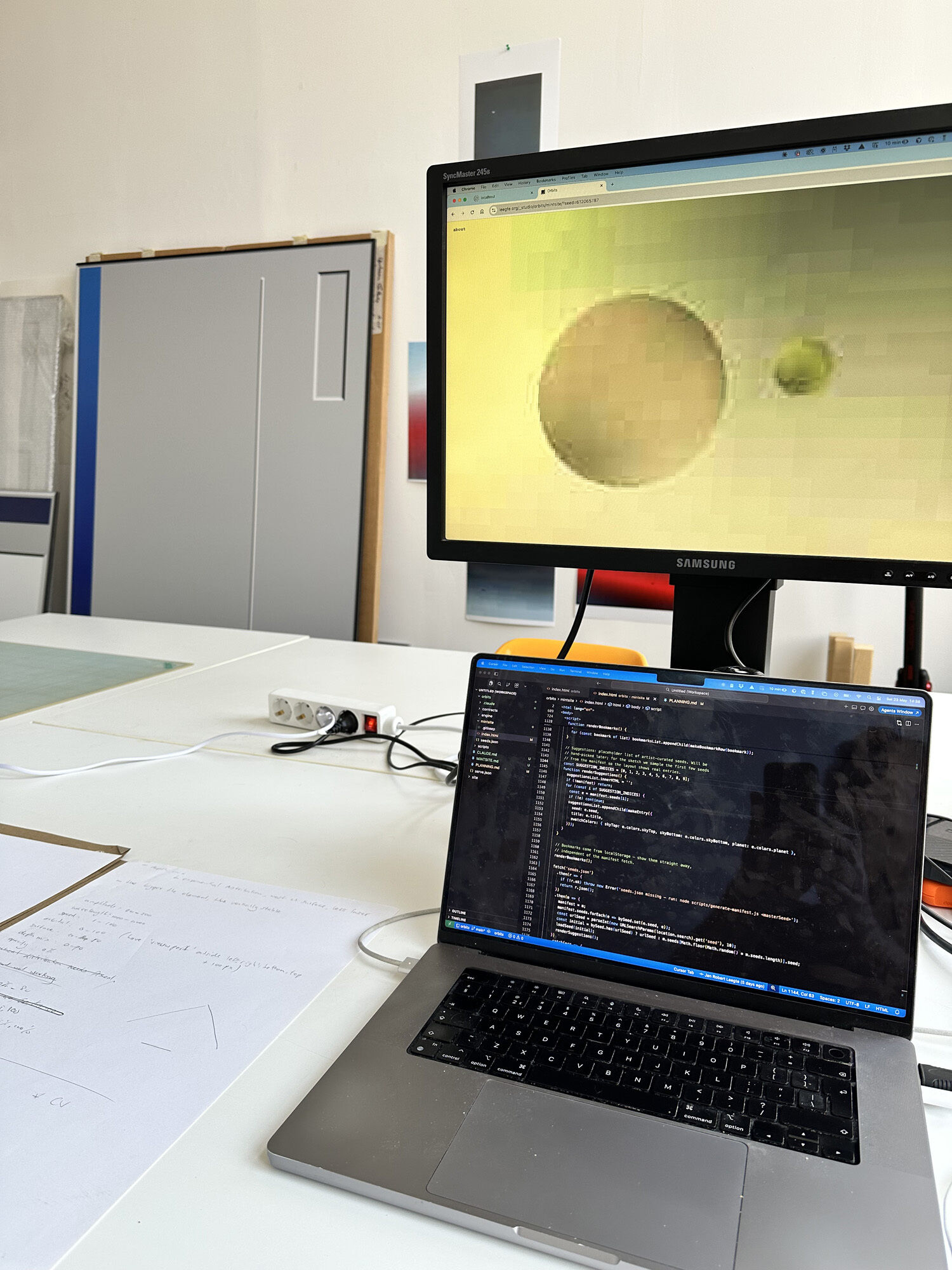
There will also be a new generative artwork on display at Zero 10, which can be minted and collected on the blockchain, Orbits, 2026. Could you walk us through it?
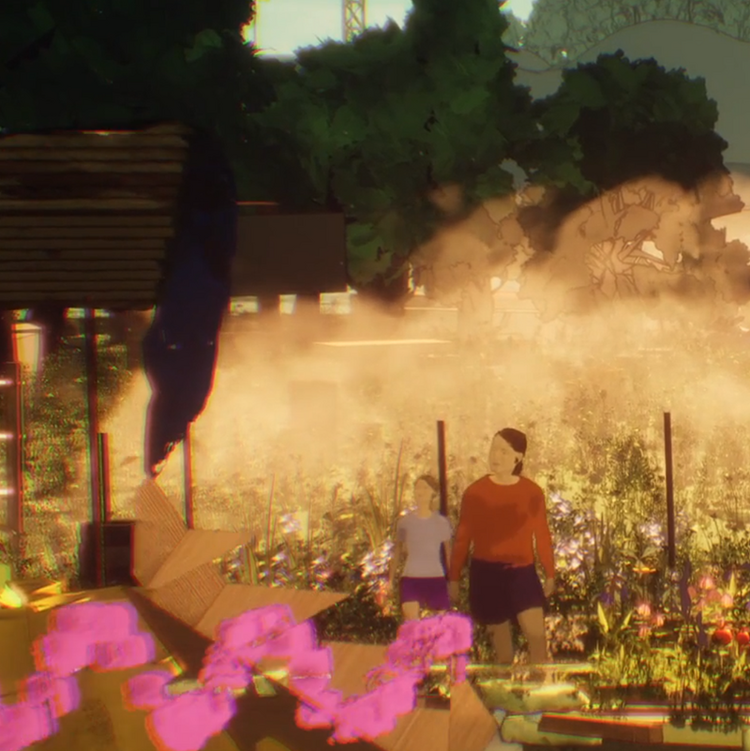
Orbits takes the investigation into space and time. A 3D scene of spheres orbiting one another is generated and compressed in real time, twelve times a second. That rate was identified in the 1830s by Plateau and Stampfer as the threshold for the mind to construct continuity from discrete frames. It would lay the cornerstone of animation and film. Where Sightings conjures the photograph from nothing, Orbits adds a second layer: motion assembled in the mind of the viewer, frame by frame. There is no source file and no recorded footage; the world exists only in the instant the codec produces it. It sits between a space transmission and a science-fiction memory, a planet glimpsed through extreme signal degradation, a familiar motion but unplaceable in origin. The lineage of this type of work runs back to the Vasulkas, who treated the video signal as material.
„There is no source file and no recorded footage; the world exists only in the instant the codec produces it.“
To sum up: across JPEG, Sightings and Orbits, compression becomes not just a technical process but a way of thinking about how images are produced, circulated and believed today. What connects these works for you, and why bring them together now?
In 1964 Marshall McLuhan argued that the content of media is not what shapes society. It is the character of the medium itself. We get so distracted by content that we remain almost entirely oblivious to the carrier, the structure, the reality that holds it. That insight has only sharpened. Social media erodes shared reality not through any particular message, but through the nature of the medium.
We are at a moment when AI has made the trustworthiness of any picture newly urgent, and that conversation is fixated almost entirely on machine learning, which can only generate by first consuming vast amounts of source images. These works carry none of that. No source, no training set, no photograph underneath, and yet something appears. They are expressions of emptiness, of the medium itself.
From your point of view, making art on the internet since the 90s, how is imagery formed today, when there is a constant tension between artificial and documentary image production?
I've come to see the image on a screen as a performance rather than a record. Every picture you meet online is data and process, staged for you and held briefly still so you can read it. Behind that stillness, data is being fetched from servers across continents, decoded by codecs written decades ago, reassembled in real time. The picture is an event, not an object. So the tension between the artificial and the documentary isn't new; it is the native condition of the networked image. We almost never see something raw, only the code and codec's re-enactment of it. AI has made that uncertainty unignorable, but it did not invent it.
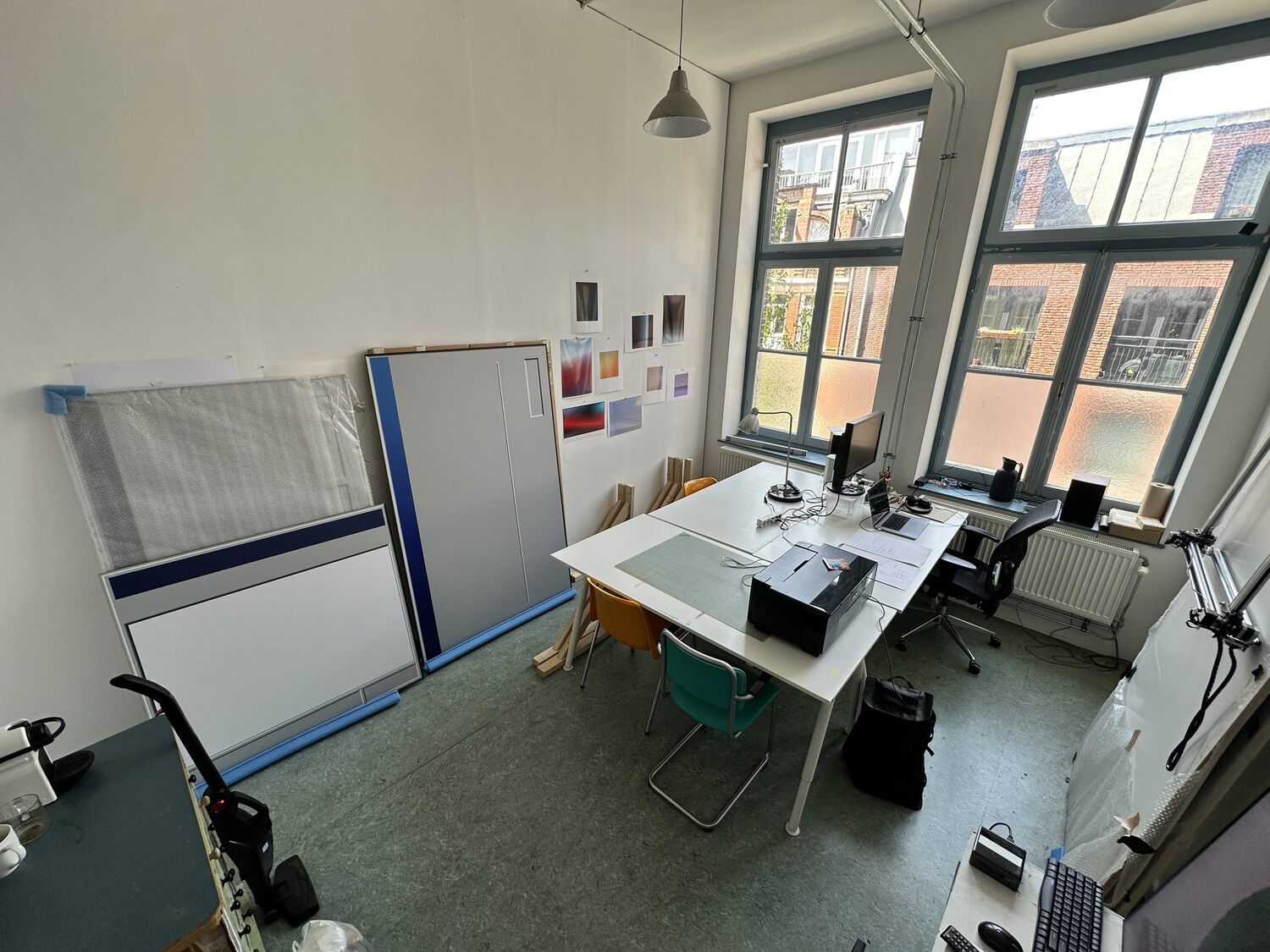
You're attentive to your position within art history. Which references surface in JPEG, Sightings, and Orbits? And where do you see your work in the longer history of digital image production?
These works are aesthetic objects, but their real concern is what an image is, and how a media reality gets built. They sit close to abstraction, close to formal painting, but the closer you look, the more the work points back at the viewer's own act of seeing, at what perception is willing to accept as a picture of the world.
Most of the art-historical ground sits inside the earlier answers. What I would rather use this space for is the present moment the work belongs to. My works have often been informed by the structural feeling of their time. Performing a Landscape carried climate-change anxiety; No Content registered the collapse of shared reality under the floods of social-media content.
The visual language of Sightings and Orbits is not innocent. The grainy telephoto, the satellite-reconnaissance still, the unsteady glimpse of a military drone overhead. These are the dominant image forms of automated surveillance, of contemporary warfare, of a renewed space race. I wanted that uncanny register present in the work. Something close to the old idea of the sublime: beauty and destruction held in the same image, not as commentary but as a single perception. It is the air we currently breathe.
More details to the single works and the presentation at Art BAsel · Zero 10 here
About the artist
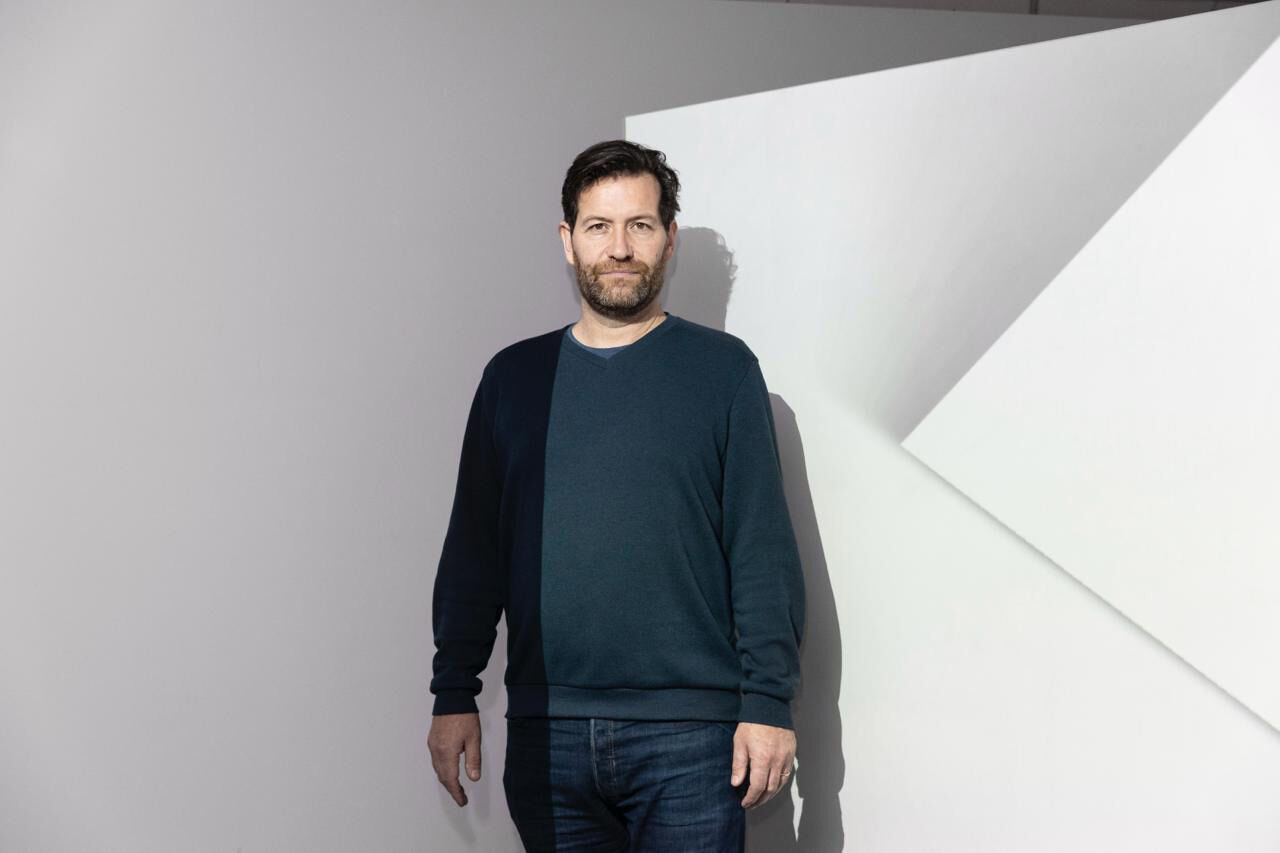
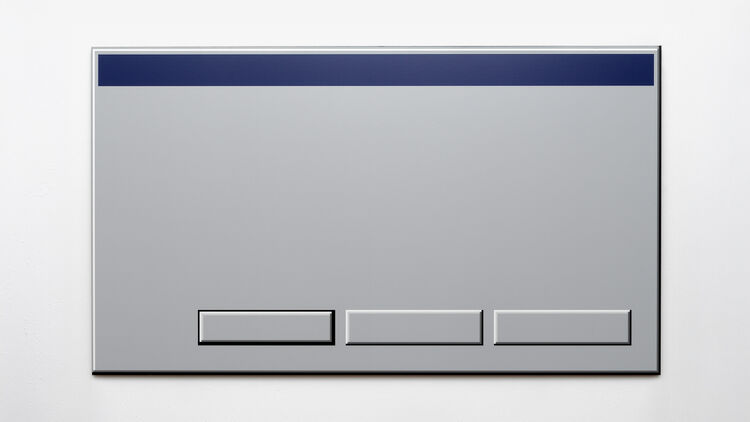
Jan Robert Leegte has worked with the internet as an artistic medium since 1997, placing him among the pioneers of net art. His early works, exhibited internationally, examined the web browser as sculptural and philosophical object, treating scrollbars, selection marquees, and interface elements as material in their own right. In 2002, before post-internet became a movement, Leegte was already translating this practice into physical gallery space, bringing the aesthetics and logic of digital infrastructure into sculptures and installations. That foundational move shaped a generation of artists working at the intersection of network culture and object-based art. Leegte's practice investigates the ontological nature of digital elements—from Photoshop selection marquees and scrollbars to Google Maps interfaces and raw code. His work questions the boundaries between virtual and physical space, exploring tensions between algorithmic systems and human perception.
In recent years, Leegte has expanded his practice to include blockchain technologies and NFTs, continuing his investigation of digital materiality in the ever unfolding Internet.
His work has been exhibited internationally at prestigious institutions including Whitechapel Gallery (London), Stedelijk Museum Amsterdam, Van Gogh Museum (Amsterdam), ZKM (Karlsruhe), Centre Pompidou (Paris), and Museum Ludwig (Budapest).
He is currently represented by Upstream Gallery (Amsterdam) and Office Impart (Berlin).