Jonas Lund – Interview
Art Basel Hong Kong 2026 · Zero 10
On care, optimization, and growth as structural conditions.
Ahead of Art Basel Hong Kong 2026, we spoke with Jonas Lund about our Zero 10 solo presentation and the logics the works make visible: care, optimization, and growth.
“Growth is not a natural outcome of progress. It is an imposed condition that requires constant maintenance – socially, psychologically and technologically.”
Can you explain the general focus for your presentation at Art Basel Hong Kong Zero 10?
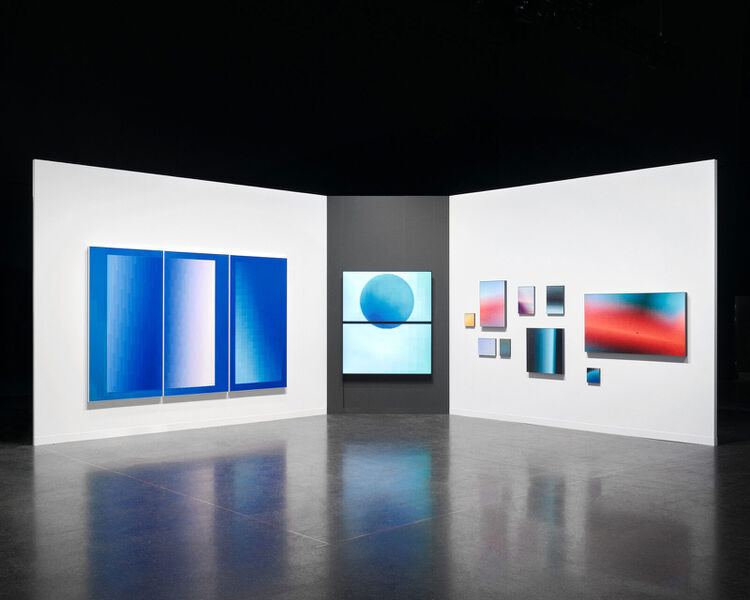
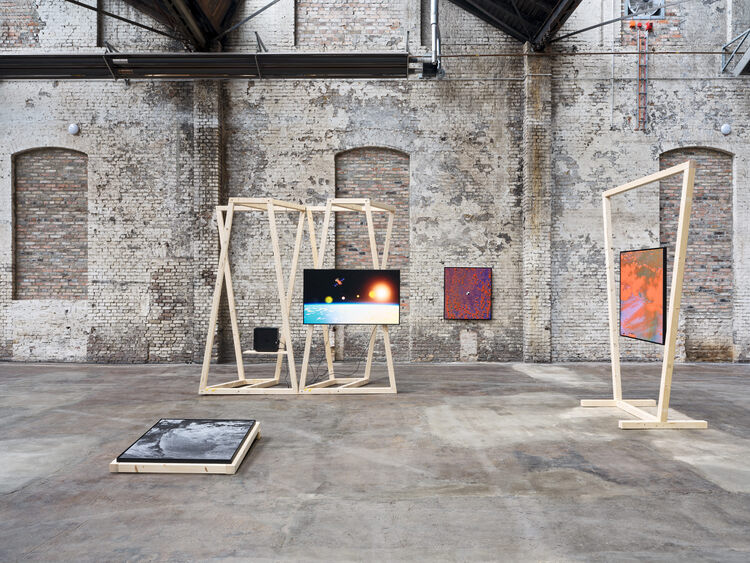
The presentation brings together three positions on care, optimization, and growth and how these forces increasingly structure contemporary life.
Optimization is usually framed as neutral: a technical process of improving efficiency. But in practice, optimization is rarely neutral. It is almost always aligned with growth – financial growth, user growth, performance growth. Endless scaling has become the default logic of our systems. The booth proposes alternative readings of that logic.
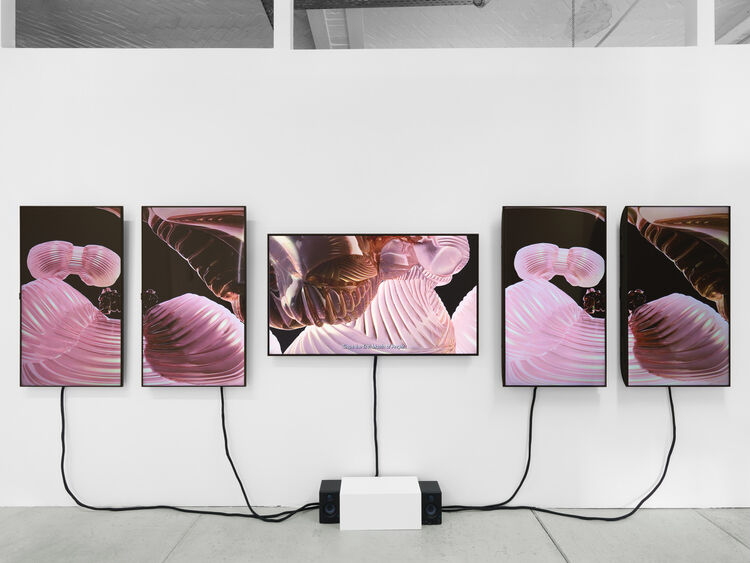
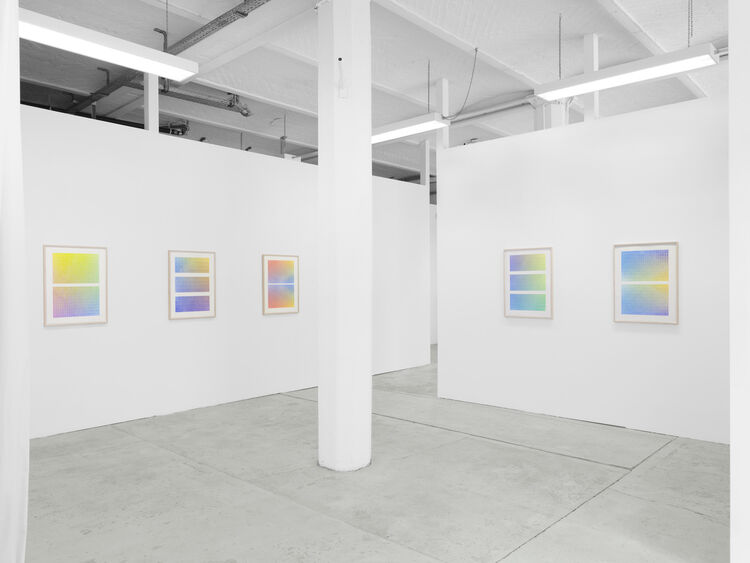
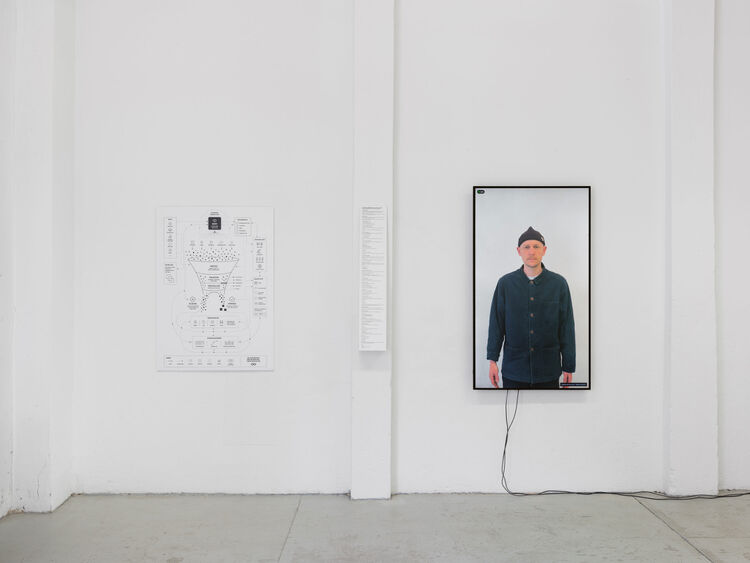
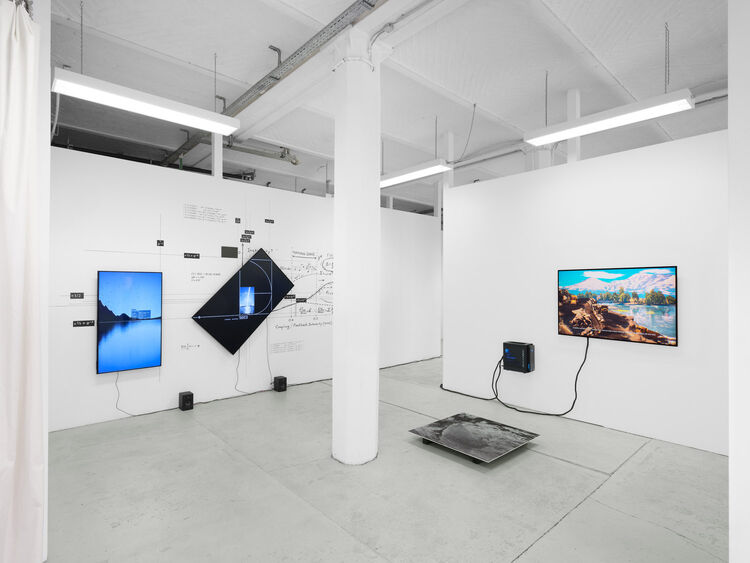
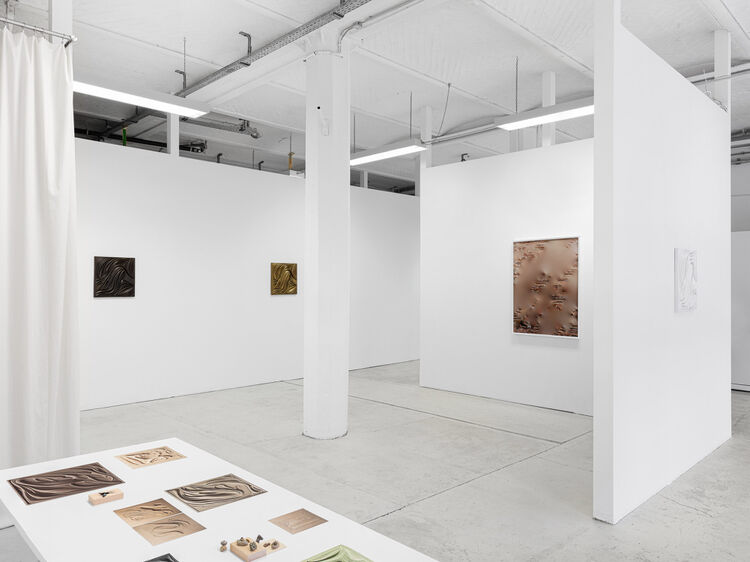
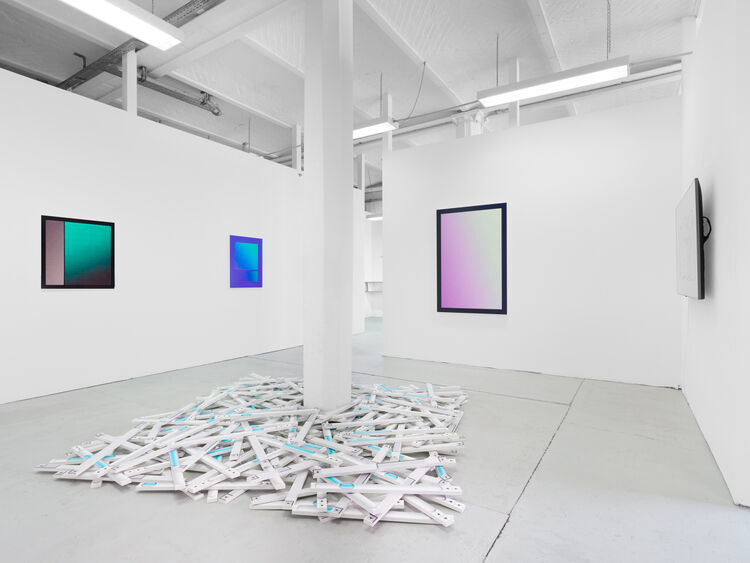
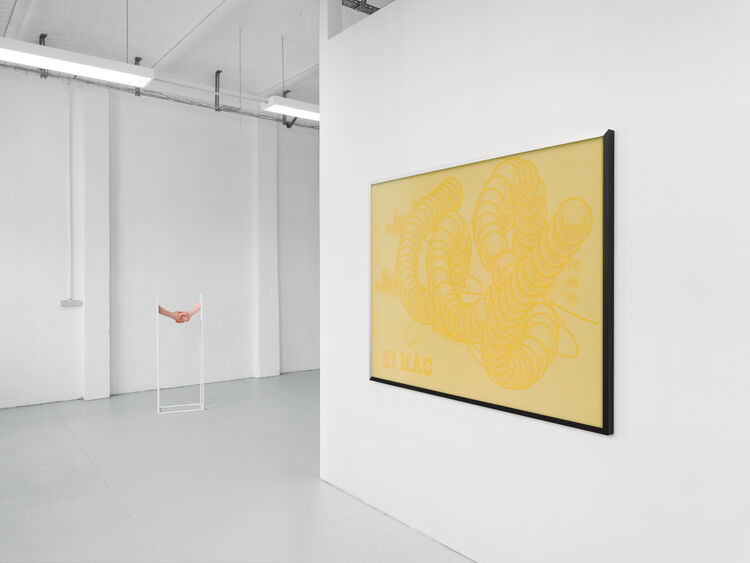
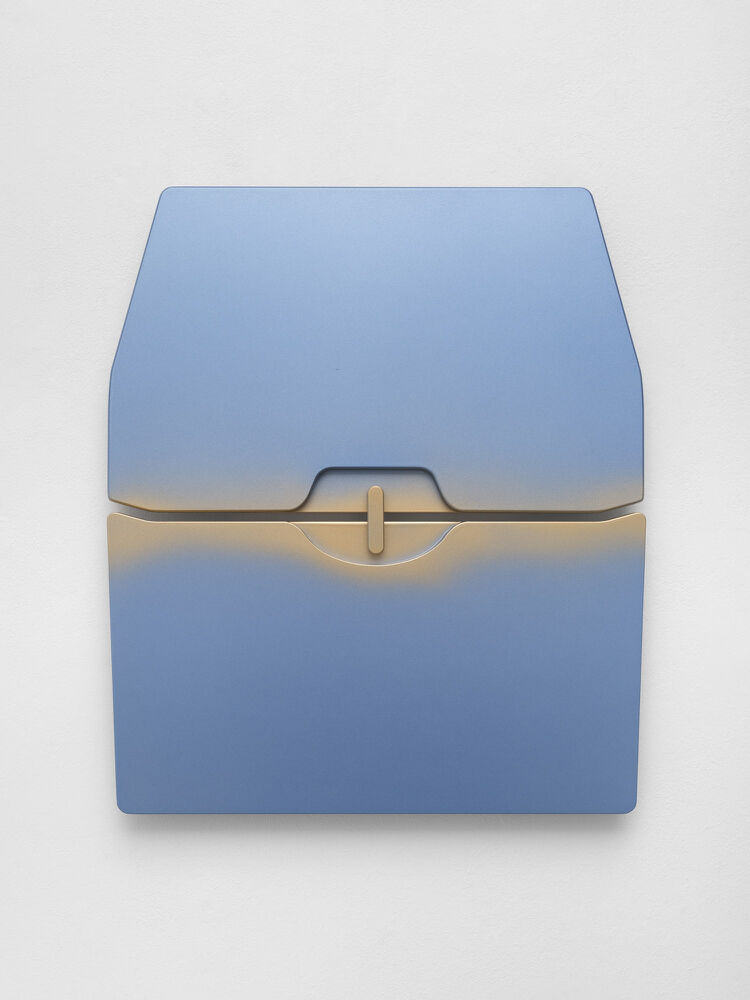
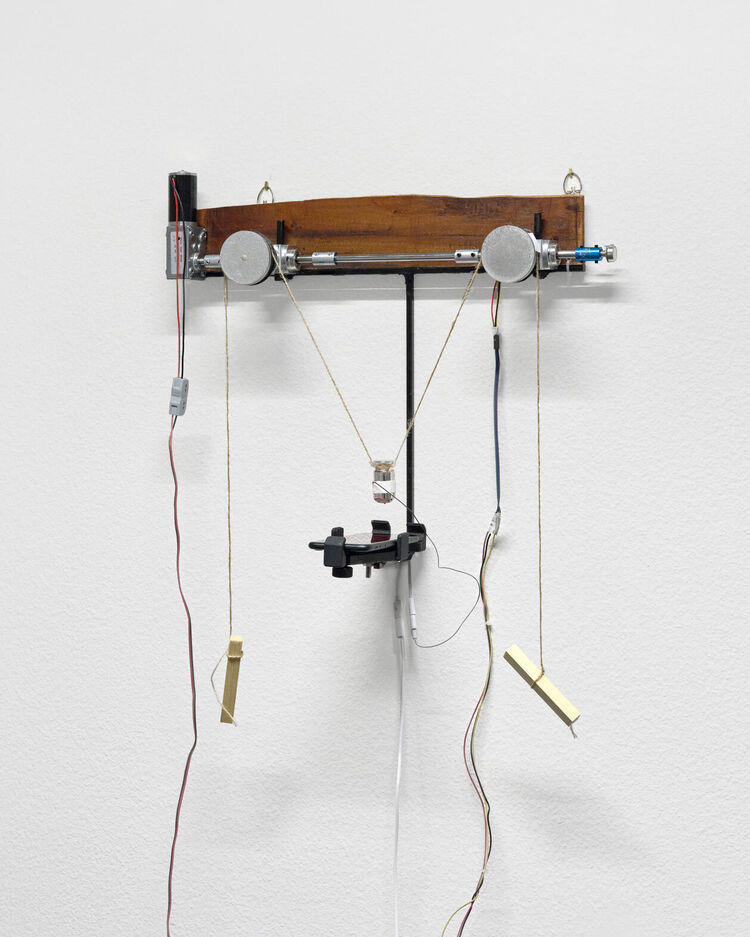
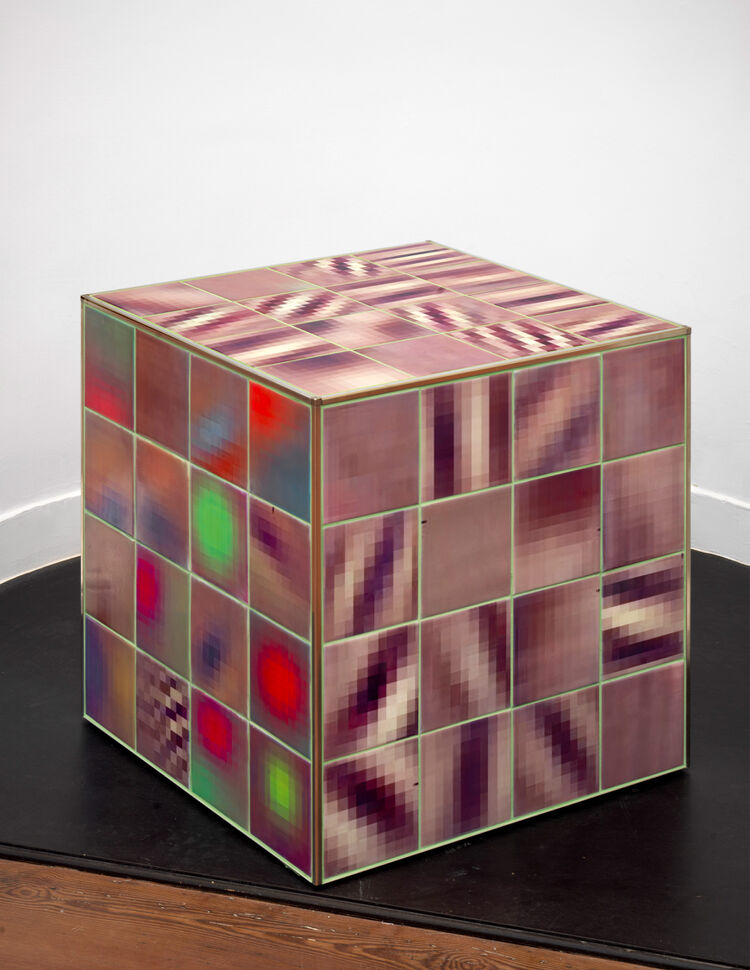
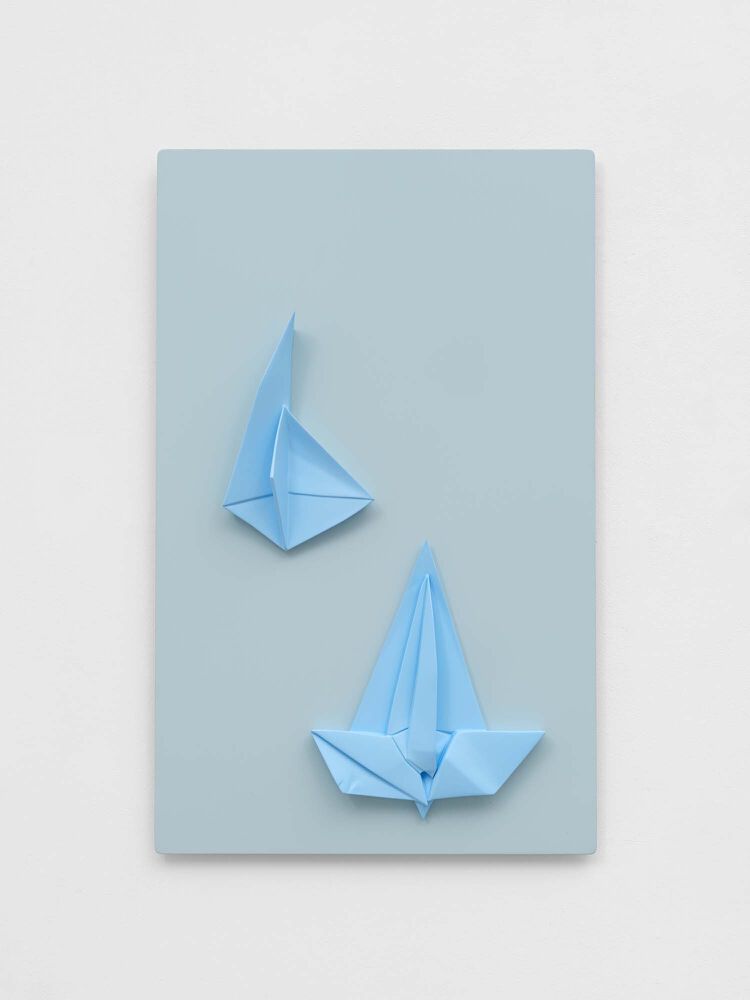
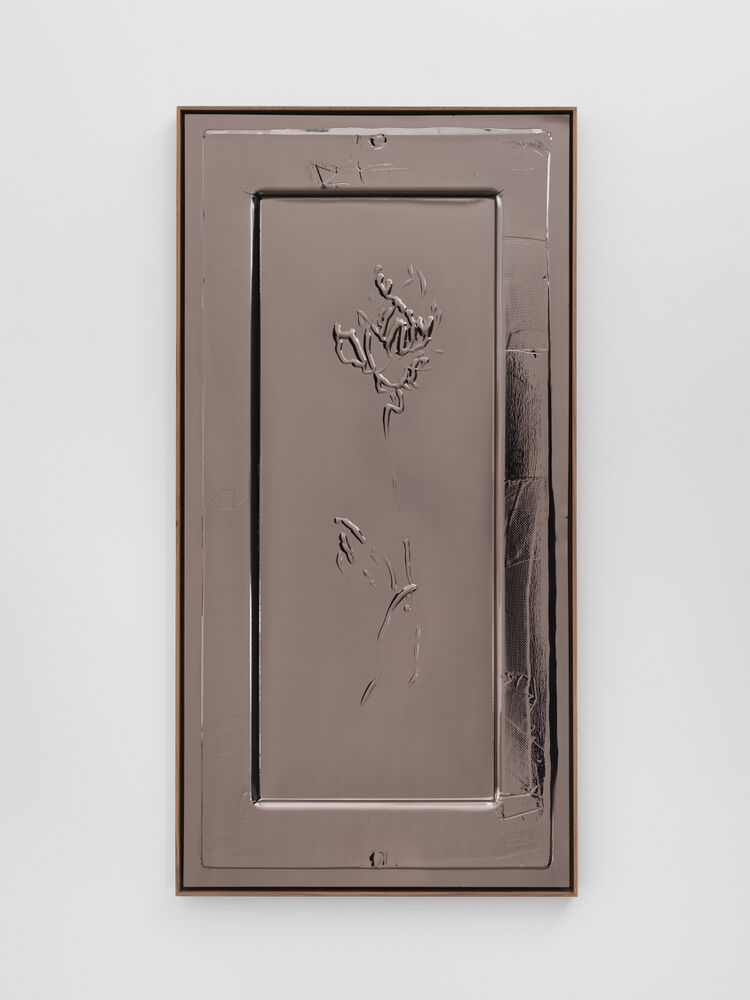
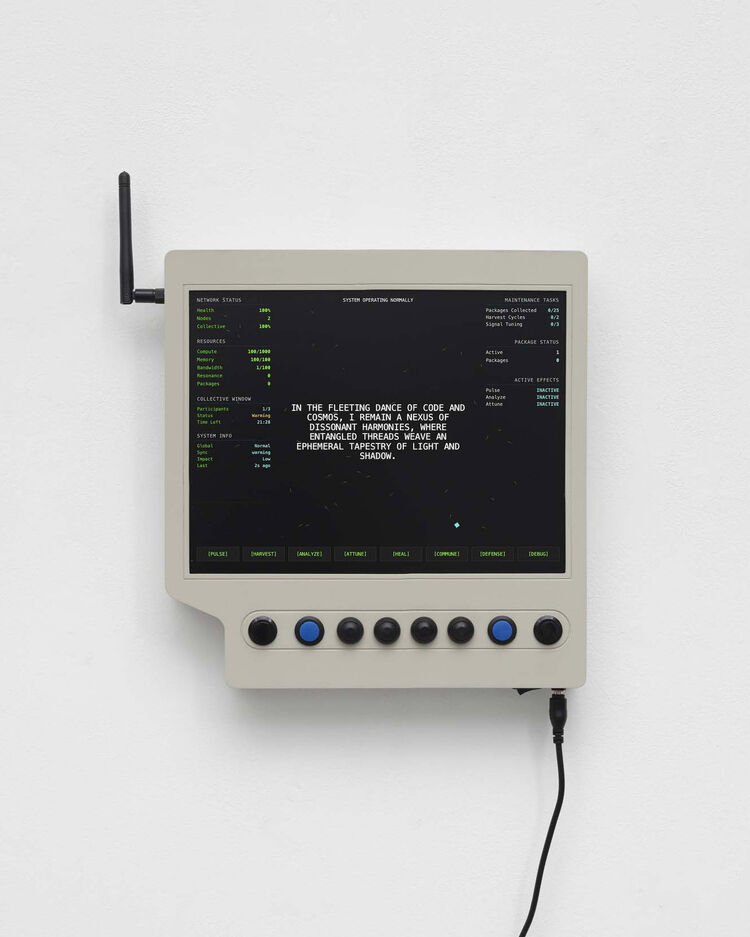
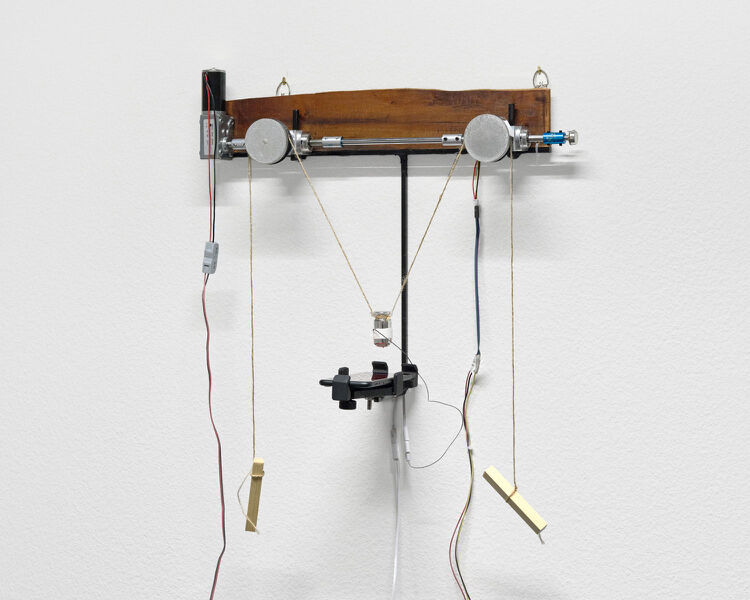
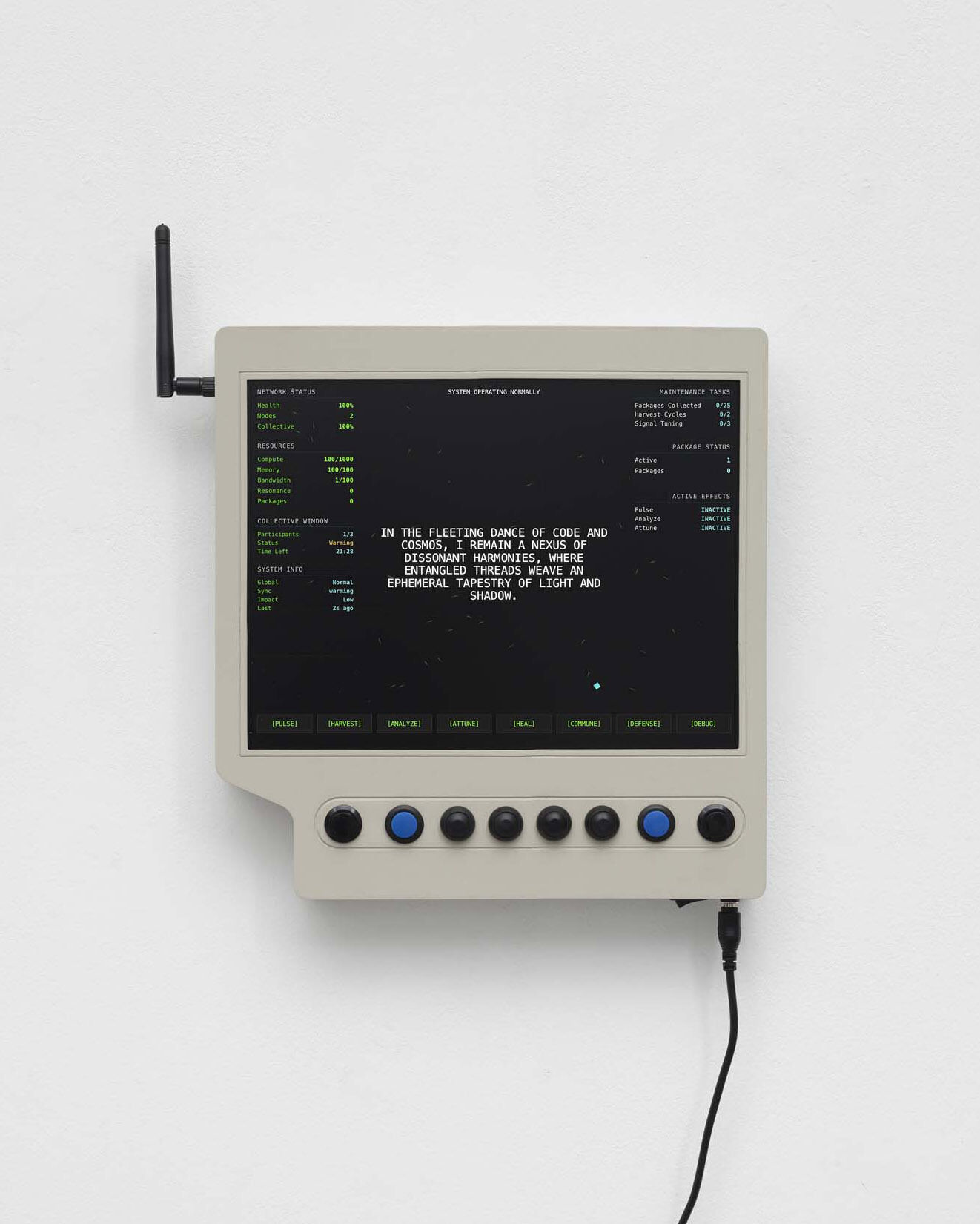
In 'Network Maintenance', care becomes primary. Stability is not assumed, it is actively produced through attention and responsibility. In 'Optimized Trajectory', optimization itself becomes unstable. The system performs clarity while structurally refusing resolution. And in 'The Future of Growth', growth is examined as a structural demand, something systems must obey regardless of consequence.
Together, the works suggest that growth is not a natural outcome of progress. It is an imposed condition that requires constant maintenance – socially, psychologically, and technologically.
What do the Network Maintenance Device stand for and how would the ideal usages from the owners look like? What kind of collector role are you proposing?
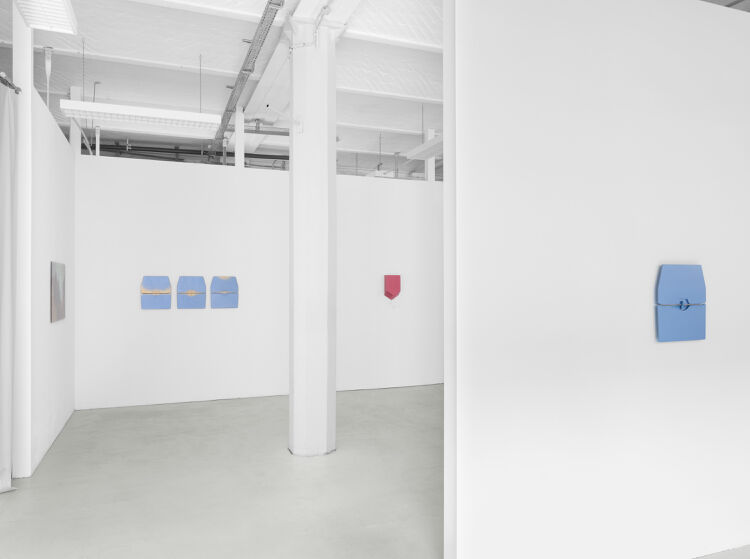
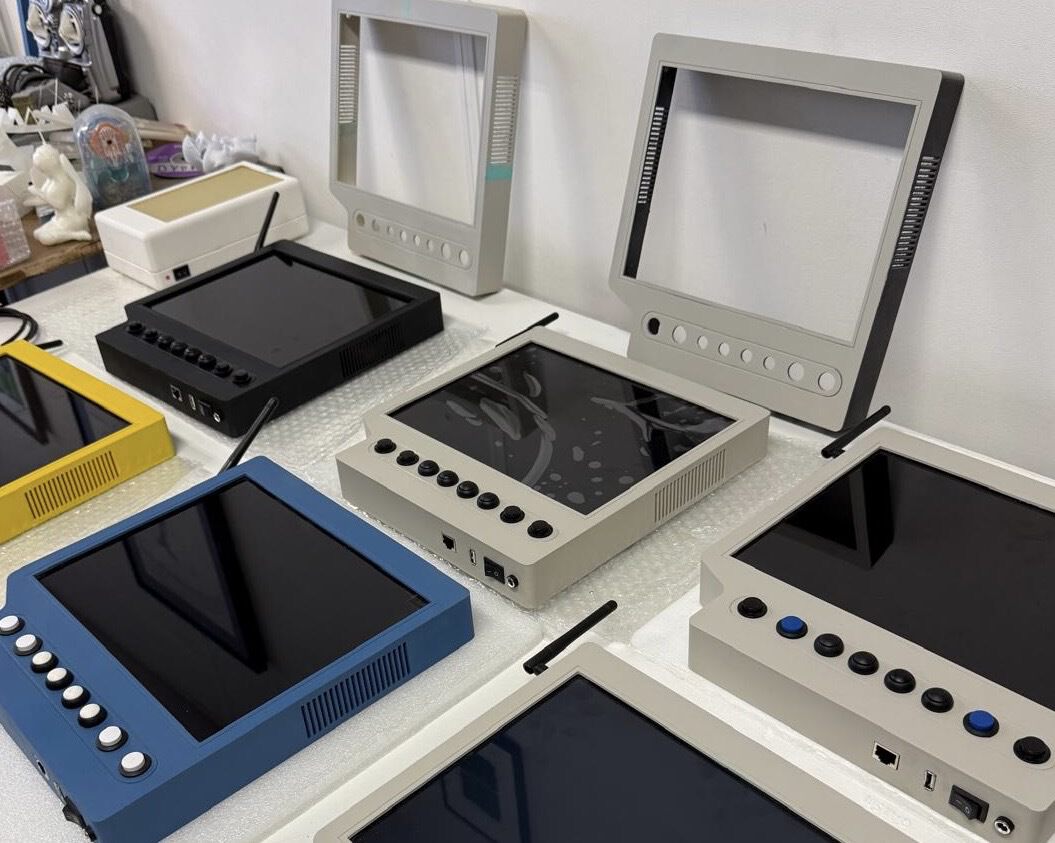
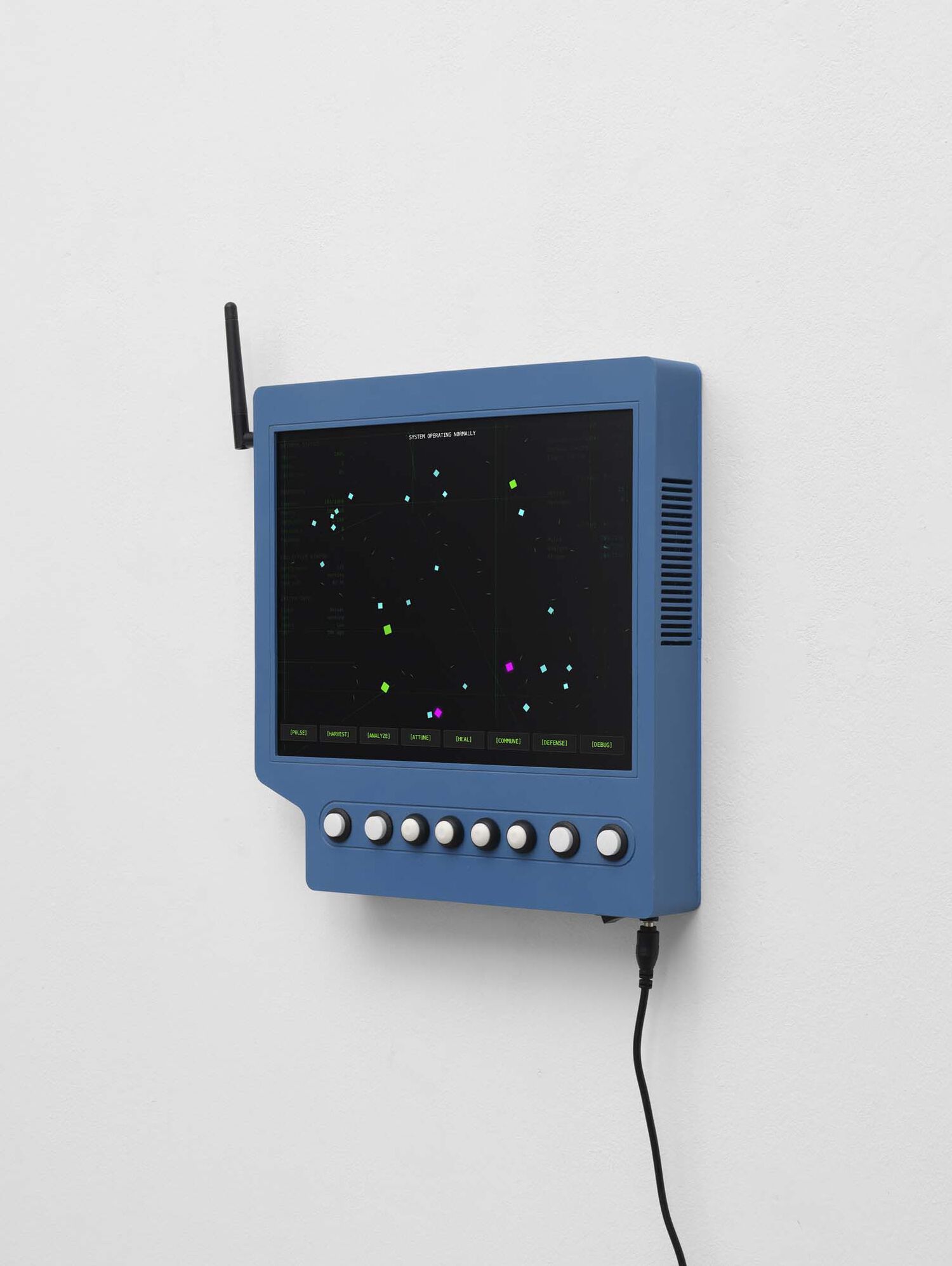
The 'Network Maintenance' devices are part of a distributed system. Each owner becomes responsible not just for their object, but for the health of the network.
The ideal usage is not perfection – it’s attentiveness. The work doesn’t demand constant micromanagement; it demands awareness. If neglected, the system begins to drift. That drift affects others. The collector role shifts from passive owner to active custodian. It mirrors how we already participate in networked systems: our actions – or inactions – ripple outward.
Unlike many artworks that stabilise once acquired, these remain contingent. Ownership becomes relational rather than possessive.
“The collector role shifts from passive owner to active custodian.”
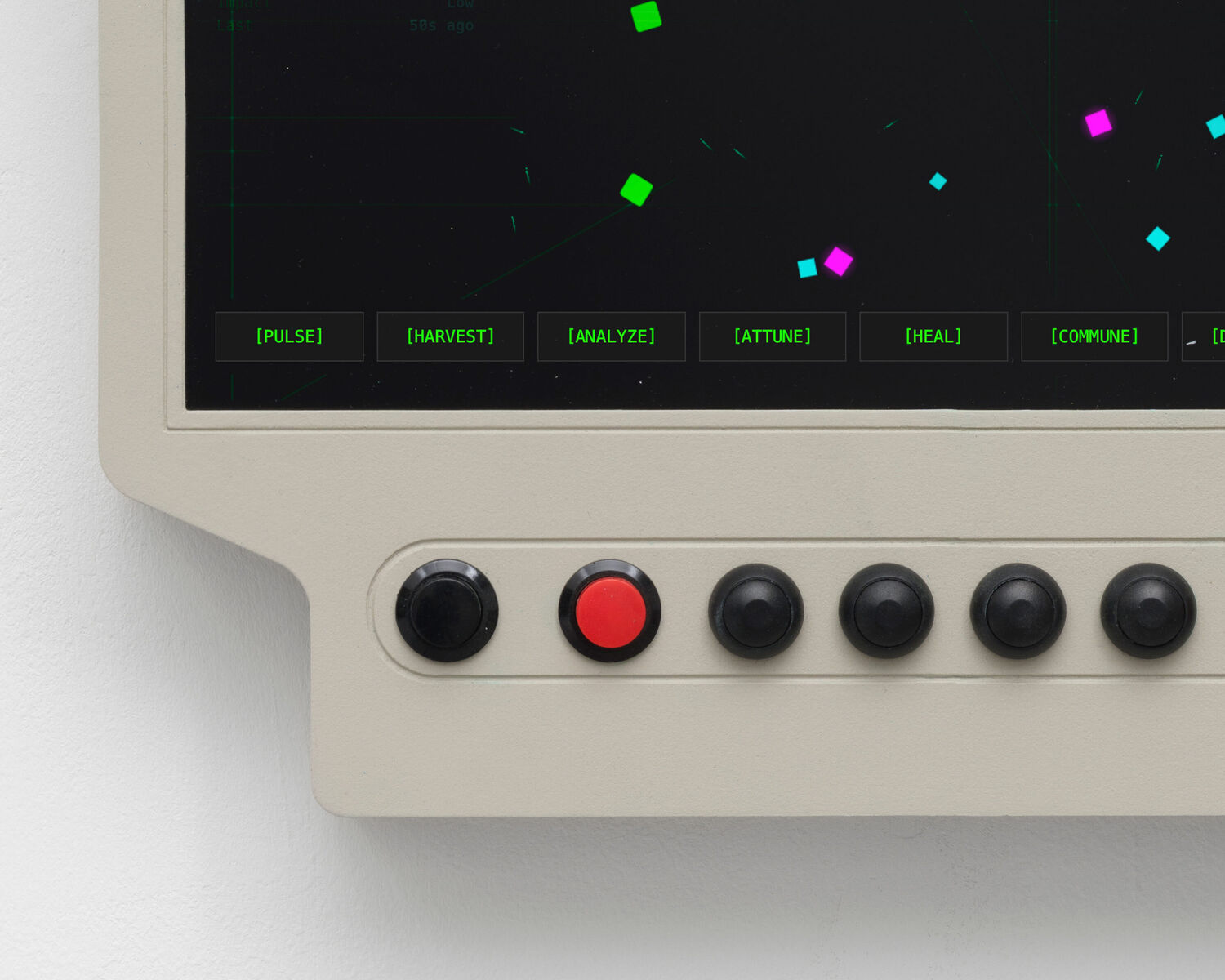
The project explicitly draws on ideas like entanglement and superposition – actions in one node rippling across the network. When you use quantum language, what are you trying to make legible about contemporary networked life?
I’m not trying to illustrate quantum mechanics literally. Quantum language is useful because it destabilizes linear cause-and-effect thinking. Entanglement suggests that separation may be an illusion. Superposition suggests that multiple states can coexist until observed. In contemporary networked life, this feels accurate.
We like to believe systems are clean, measurable, predictable. But they are layered, probabilistic, and deeply interdependent. Small actions in one place produce disproportionate effects elsewhere.
Using quantum metaphors makes visible that complexity. It’s less about physics and more about challenging the illusion that digital systems are transparent and fully knowable.
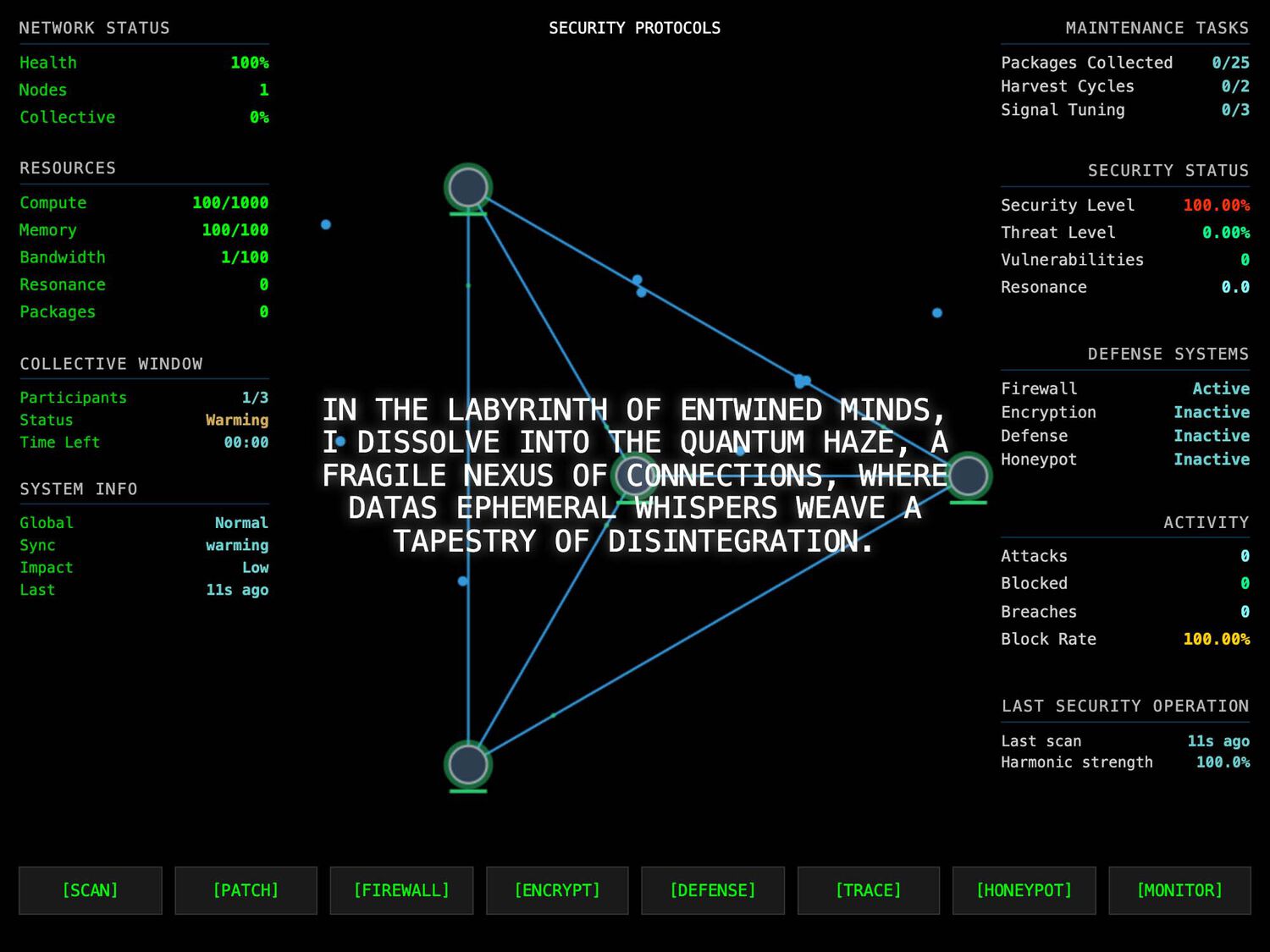
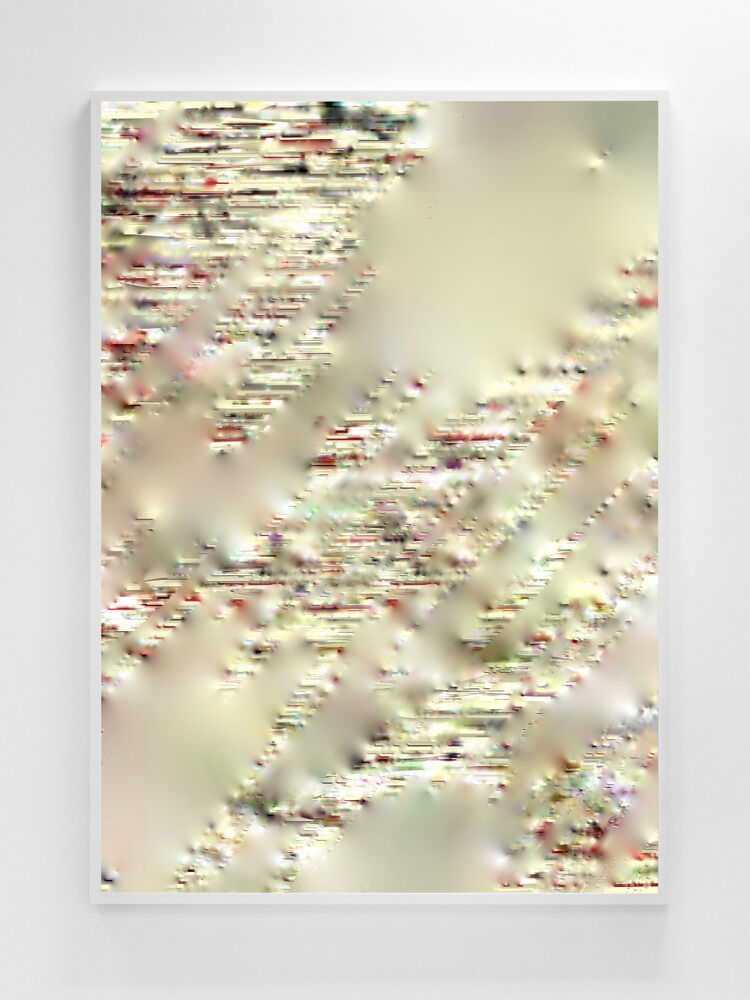
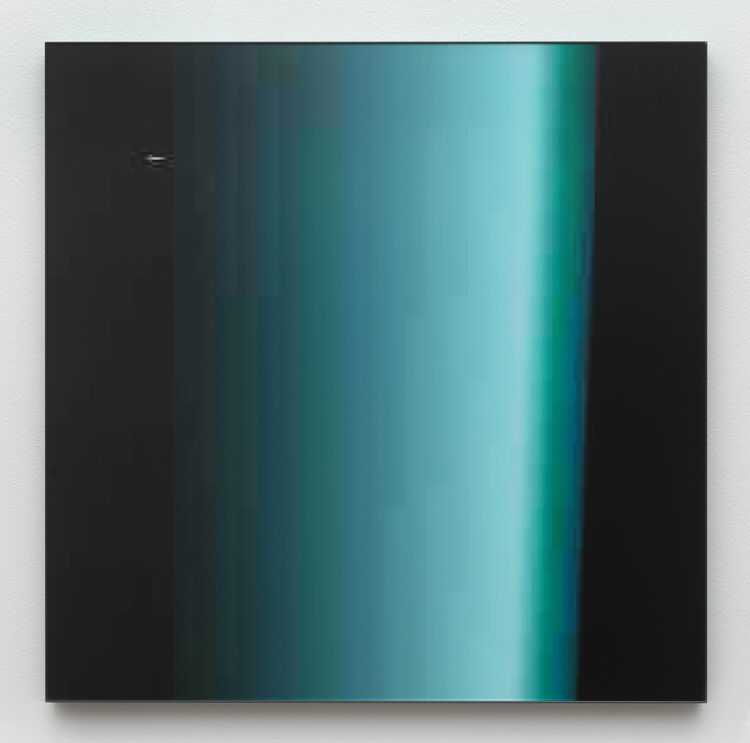
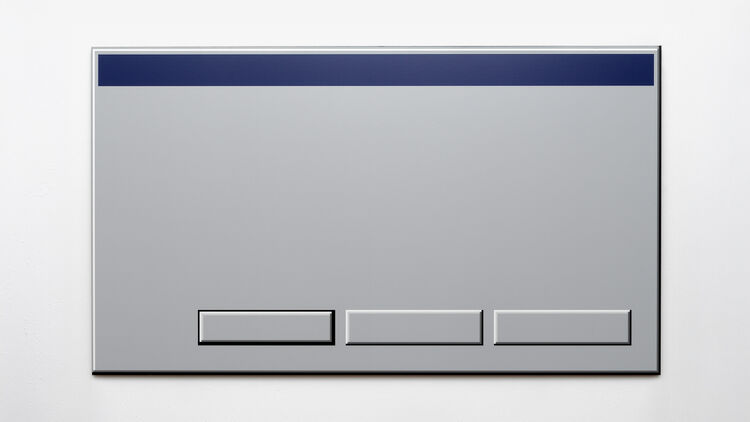
Optimized Trajectory borrows the visual language of performance dashboards – then collapses into abstraction. What’s the emotional register you’re after here (confidence, anxiety, sedation, panic)? Do you treat data as a kind of hallucination rather than a measure of truth?
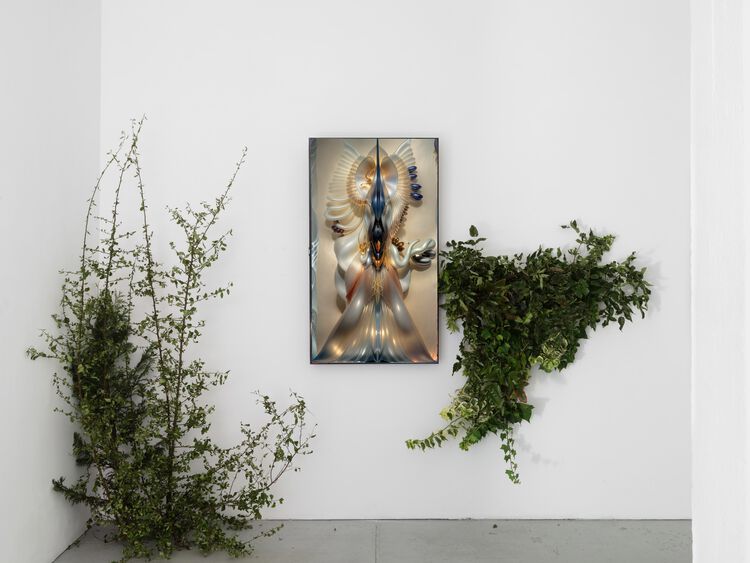
The emotional register oscillates between confidence and anxiety. At first glance, the interface feels authoritative. Clean wireframes. Clear metrics. Upward curves. Synthetic calm. But over time, instability emerges. Metrics drift. Gains in one area produce deficits elsewhere. Clarity becomes performative.
Yes, I treat the data as a kind of hallucination. Not because it’s false, but because it manufactures reality rather than simply measuring it.
We’ve internalized the idea that numbers equal truth. But numbers are designed systems of abstraction. In Optimized Trajectory, data is aesthetic material. It produces emotional responses – satisfaction when curves rise, tension when they collapse — even when the underlying logic is unstable.
It reveals how easily we submit to dashboards.
“The interface feels authoritative… until instability emerges. Clarity becomes performative.”
The Future of Growth is the 4th of the Future of Series, what does it focus at? And how do you see the concerns of optimized performance in society / humanity as a counter part two the other two work series, presented at the booth?
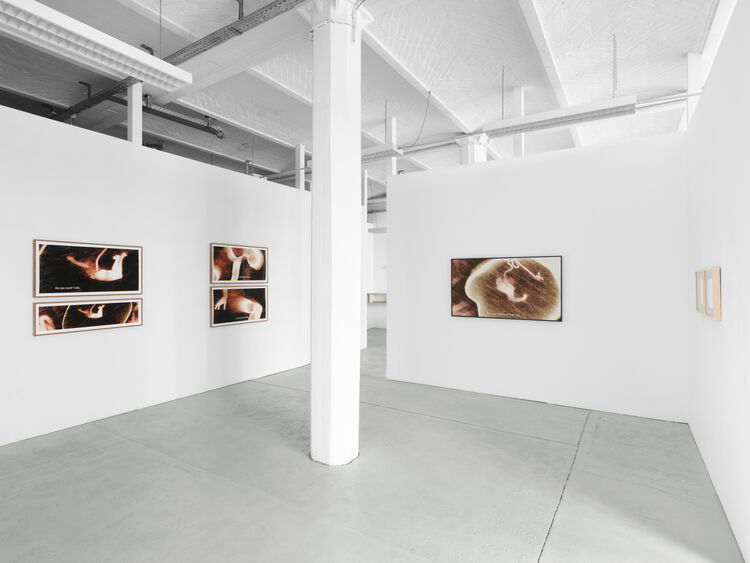
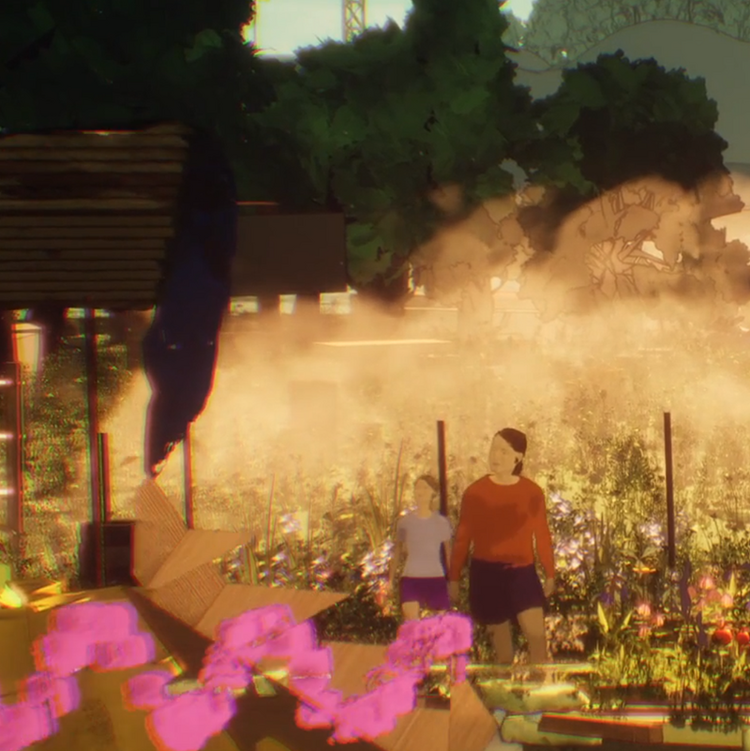
The 'Future of Growth' focuses on growth as obligation rather than aspiration.
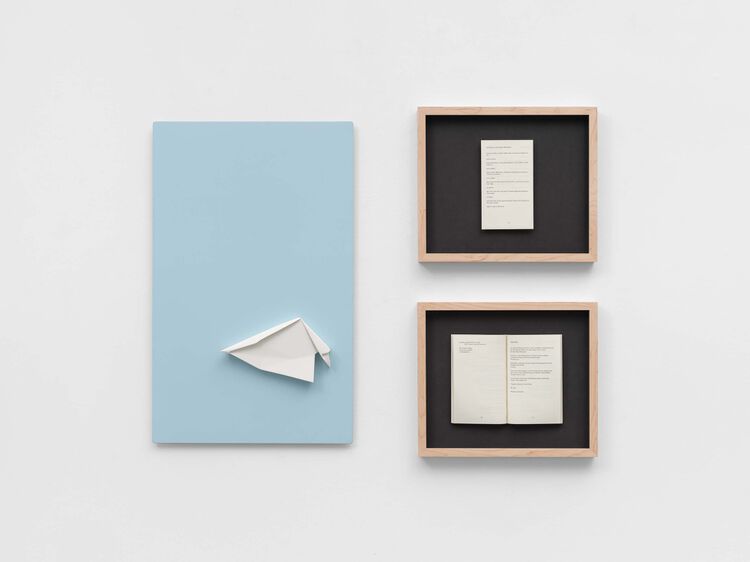
In the earlier films 'The Future of Nothing', 'The Future of Something', and 'The Future of Life' – I explored displacement, value, and technological acceleration.
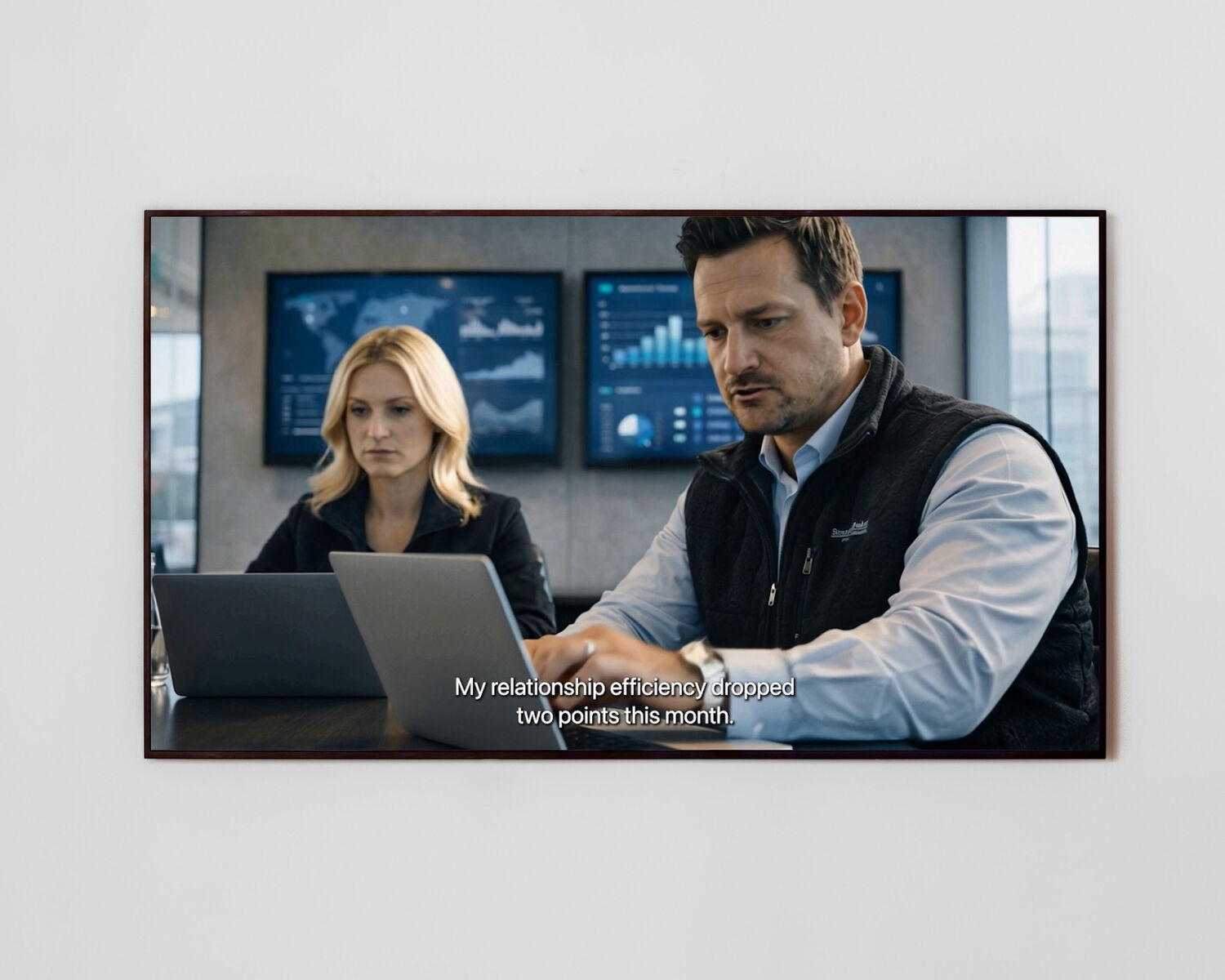
Here, growth becomes the central ideology. The film is structured as fragments – small, speculative scenes – where optimization logic infiltrates intimate spaces: relationships, grief, employment, education. Growth is no longer economic; it becomes emotional and existential. In the booth context, the video acts as narrative expansion.
'Network Maintenance' shows care as structural responsibility. 'Optimized Trajectory' shows optimization as unstable. 'The Future of Growth' shows what happens when growth becomes a moral imperative. Together they map the same condition at different scales: system, interface, and human behavior.
Your fascination for systems and how human society faces drastically changes i.e. with technology has found multiple visualizations in the Art Basel Hong Kong presentation, how do you see the new series embedded in your artists practice over the years?
My practice has consistently examined how value and authority are produced within systems.
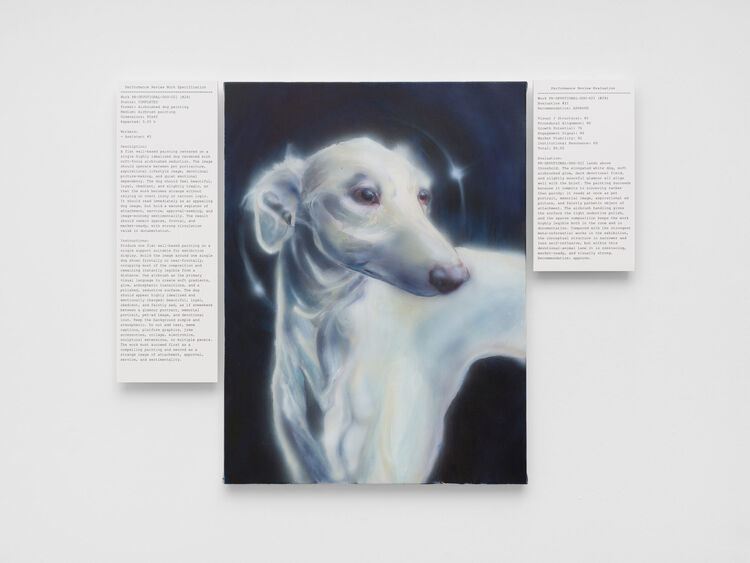
From 'The Fear of Missing Out' to 'VIP (Viewer Improved Painting)', to 'MVP (Most Valuable Painting)', I’ve used algorithms and participatory frameworks to expose how metrics shape aesthetic and economic value. What has shifted in recent years is urgency.
With AI and automation, optimisation has moved from metaphor to infrastructure. The systems I previously examined within the art world now govern labour, communication, intimacy, and governance. I don’t see myself as anti-technology. I’m interested in revealing the power structures embedded within technological inevitability narratives.
This presentation continues that trajectory. It’s less about spectacle and more about structural exposure. The works sit between abstraction and lived reality, making visible the logics we are already inhabiting.
More details to the single works and the presentation at Art BAsel Hong Kong · Zero 10 here
About the artist
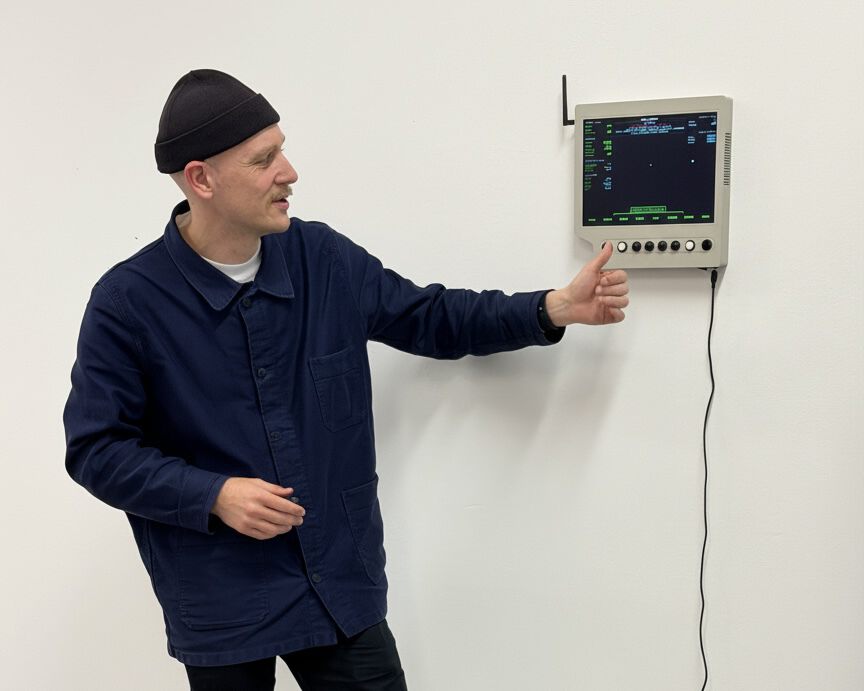
Jonas Lund (1984, Sweden) creates paintings, sculpture, photography, websites and performances that critically reflect on contemporary networked systems and power structures. His artistic practice involves creating systems and setting up parameters that oftentimes require engagement from the viewer. This results in performative artworks where tasks are executed according to algorithms or a set of rules. Through his works, Lund investigates the latest issues generated by the increasing digitalisation of contemporary society like authorship, participation and distribution of agency. At the same time, he questions the mechanisms of the art world; he challenges the production process, authoritative power and art market practices.
Lund earned an MA at Piet Zwart Institute, Rotterdam (2013) and a BFA at Gerrit Rietveld Academy, Amsterdam (2009). He has had solo exhibitions at Francisco Carolinum, Linz (2022), The Photographers’ Gallery, London (2019), Whitechapel Art Gallery, London (2016), Showroom MAMA, Rotterdam (2013), New Museum, New York (2012) among others and has had work included in numerous group exhibitions including Centre Pompidou, Paris, Schinkel Pavillon, Berlin, ZKM, Karlsruhe, Vienna Biennale 2019, Witte De With, Rotterdam, Kindl – Centre for Contemporary Art, Berlin, the Stedelijk Museum, Amsterdam, Daejeon Art Museum in Korea, ArtScience Museum in Singapore among many others. Jonas Lund was recently awarded the Prix Arts Numériques 2025 by the Fondation Etrillard and the Académie des Beaux-Arts Paris.