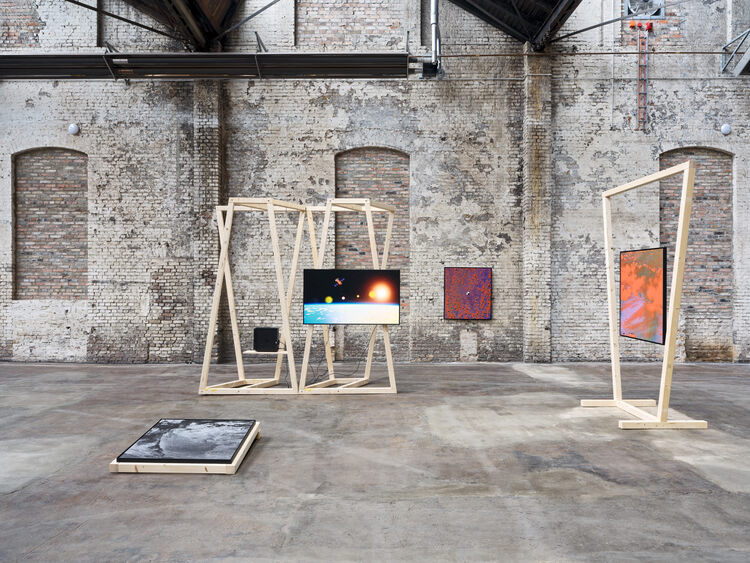
0xfff – Interview
Art Basel Miami Beach 2026 · Zero 10
On cryptography, identity, and the right to opacity in an increasingly transparent world.
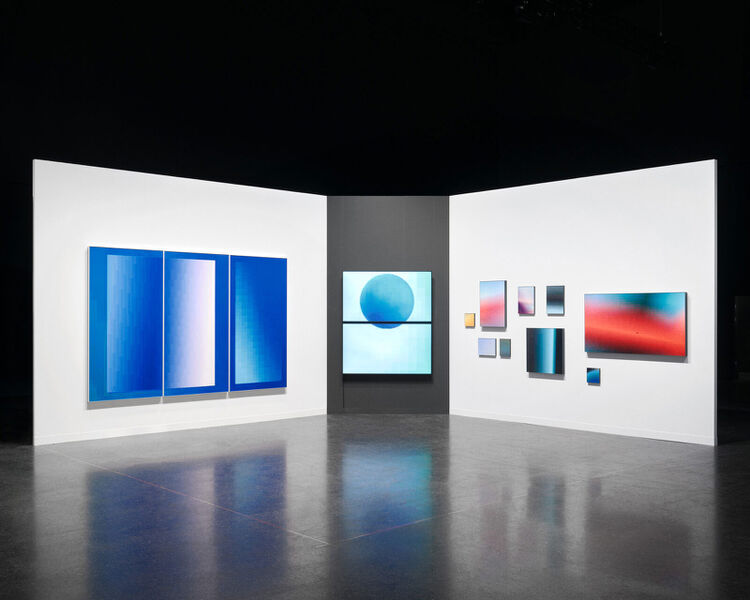
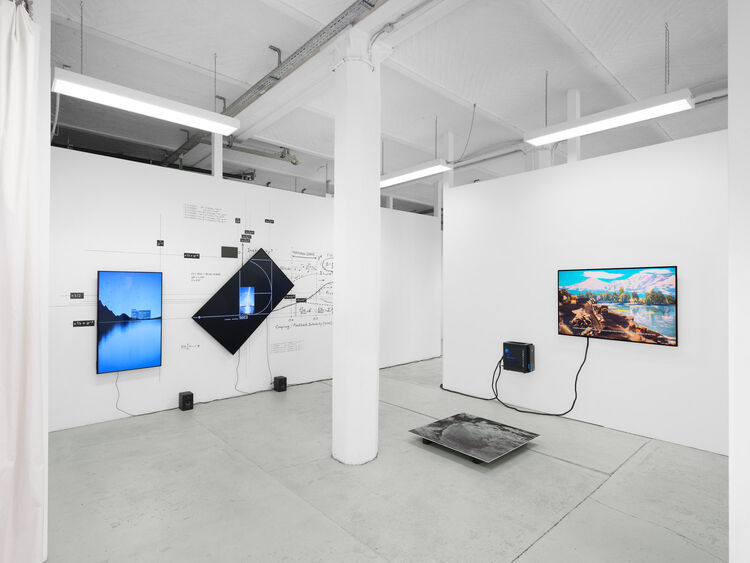
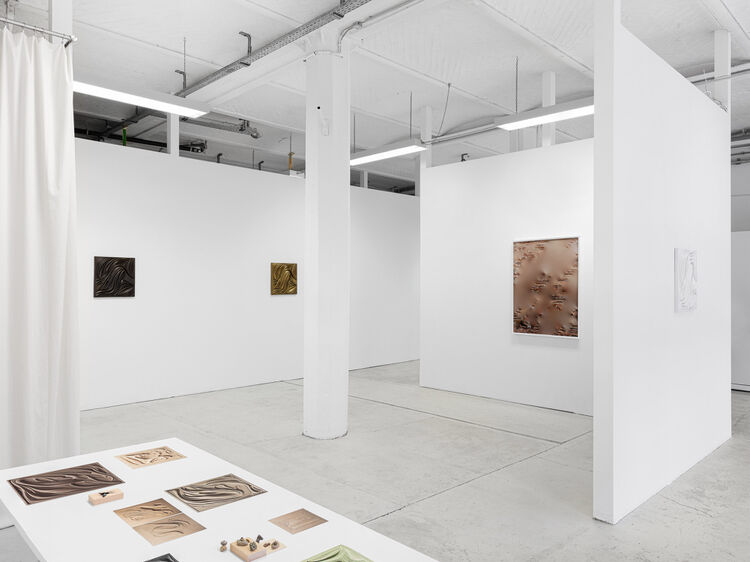
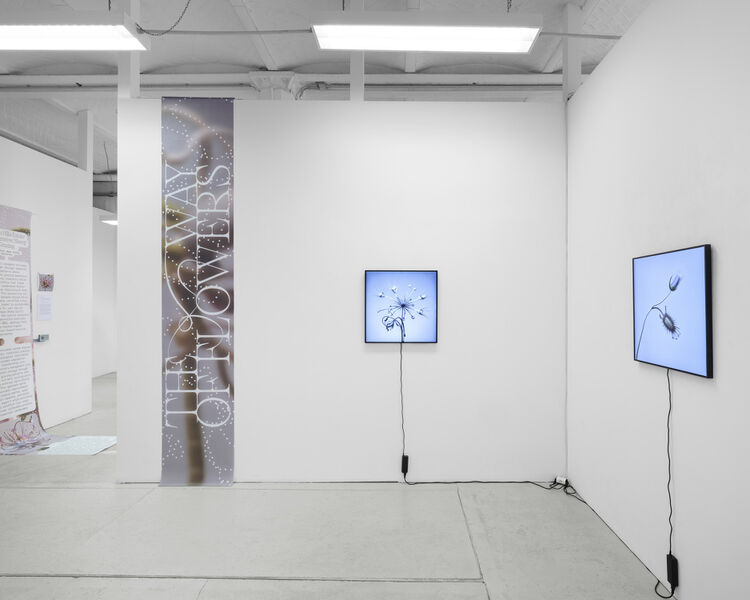
Ahead of Art Basel Miami Beach 2026, we spoke with 0xfff about his artistic practice and the potential of computation as an artistic medium.
With his new work Tall Grass (Hidden From View), the artist explores cryptography not simply as a technological tool, but as a means of establishing interiority, questioning the conditions under which we reveal ourselves and reclaiming the ability to remain hidden.
Presented by OFFICE IMPART
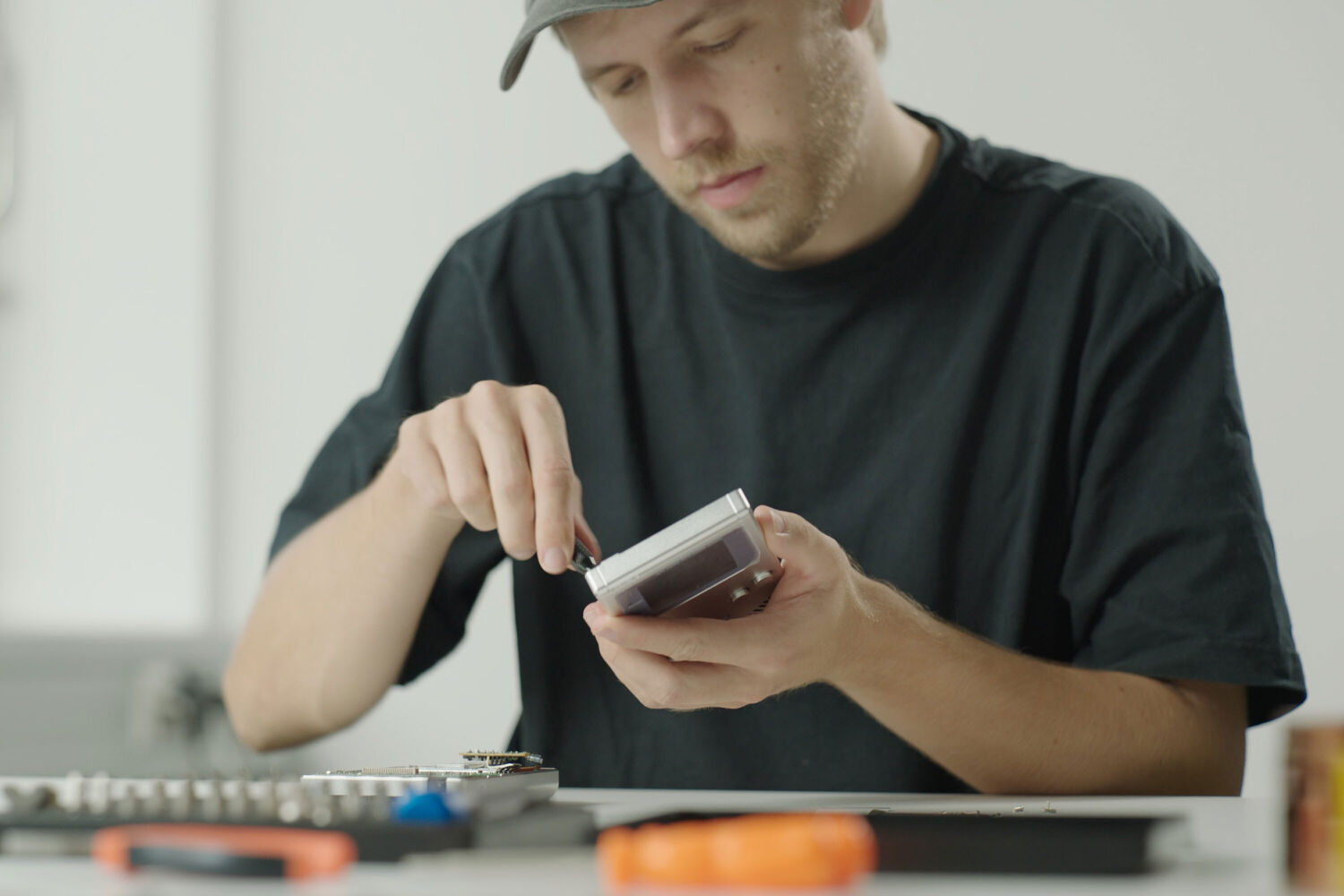
Your work often engages with highly complex technological systems. What draws you to them?
I have an intrinsic interest in technological systems. It's just always been there, a desire to understand what is happening behind the curtain.
I am always slightly irritated when people say, „That's so abstract, I don't understand it, “ because to me these systems are concrete. The more specific you get about how one works, the more abstract it sounds to people. That tension fascinates me.
At the same time, digital systems have become a central mediating force in contemporary society. They profoundly influence how we negotiate our everyday lives and our relationships with one another.
„The theme a lot of my work falls into is like icebergs. You know, the ten percent is above the water. It invites you into the piece; it is its visual surface. But if you really want to understand the gesture I am making, you have to dive beneath it.“
What role does blockchain play as a material in your artistic practice?
One of the fundamental properties of these protocols is that they cannot simply be turned off. When you configure a digital system that does not depend on a third party to keep it running, you suddenly have the possibility of genuine scarcity, but also a substrate on which an artwork can exist in a semi-permanent state, at least for the foreseeable future.
I think that is why blockchain keeps pulling me back in. In a world where everything is copyable and referenceable, it creates an environment in which things can be natively unique or scarce.
The constraints of existing blockchain systems are also interesting, although they can be very limiting. Cryptographic techniques offer ways to extend beyond that substrate into more complex forms of computation.
In your new work, Tall Grass (Hidden From View), which will be presented at Art Basel Miami Beach for the first time, you employ cryptography as a central artistic means. What are the underlying questions of the work?
I feel that the contemporary world has a very strong tendency to demand that we reveal as much about ourselves as possible. The prevailing logic suggests that the more you reveal, the better it is for you, for the world, for your success.I don't really subscribe to that notion.
I think there is value in having an interiority, a space in which you can make mistakes, in which you can err, in which you can have thoughts that you might reconsider before they enter the world.
'Tall Grass (Hidden From View)' uses cryptographic means to establish that interiority. In an indirect way, it also asks what technological possibilities we have to establish conditions under which we can selectively reveal what we want about ourselves.
How can cryptography enable such a space of interiority?
There is an umbrella term, programmable cryptography, which describes a set of technologies that move beyond the binary distinction between something being secret or public.
Traditional encryption allows you to make a text unreadable unless someone has the key. Once I give you the key, you can read the entire text.
With programmable cryptography, however, we can establish the conditions under which something is revealed and determine which aspects are revealed. For example, we could compare our ages or our assets without actually knowing each other's age or the value of each other's assets.
„In their most radical form, these technologies offer the possibility of running our infrastructure in a way that provides a cryptographic, and therefore mathematical, guarantee that certain things remain secret and that I can choose how to reveal them.“
What implications could these technologies have beyond the artwork?
Today's technological world is very much oriented towards revealing everything. Privacy is often guaranteed by a third party. You have to trust that third party and hope that it will maintain your privacy. With these cryptographic technologies, there is a possibility that privacy can be guaranteed independently of that trust. We already have examples of this, such as end-to-end encryption, which allows us to converse in privacy. But there is a whole range of other possible applications. This becomes particularly relevant in the context of artificial intelligence. Many people now share incredibly intimate thoughts with models running in data centers somewhere in the world.
I don't feel awkward about the fact that I am talking to an artificial intelligence. But I do feel awkward about the idea that everybody should be able to listen in.
How is Tall Grass (Hidden From View) conceived, and how do we experience the work?
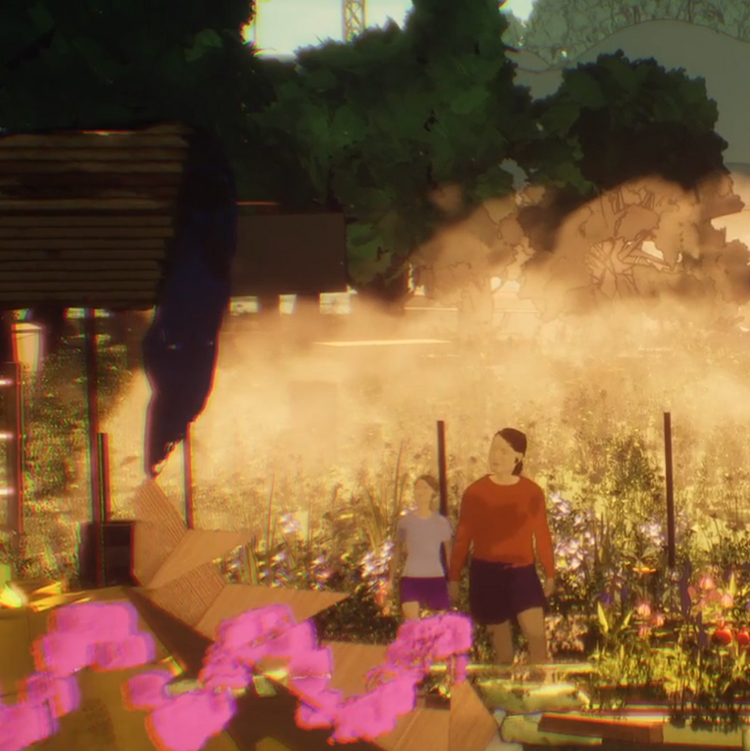
Tall Grass (Hidden From View) is a work of two parts. One is a cryptographic landscape on Ethereum in which entities roam. There are one hundred of these entities, and you can encounter them by walking through this landscape.
You generate zero-knowledge proofs about the path you take, which means that you can walk through this landscape in secret. When you encounter such an entity, as a collector, you have the opportunity to collect it if nobody has before.
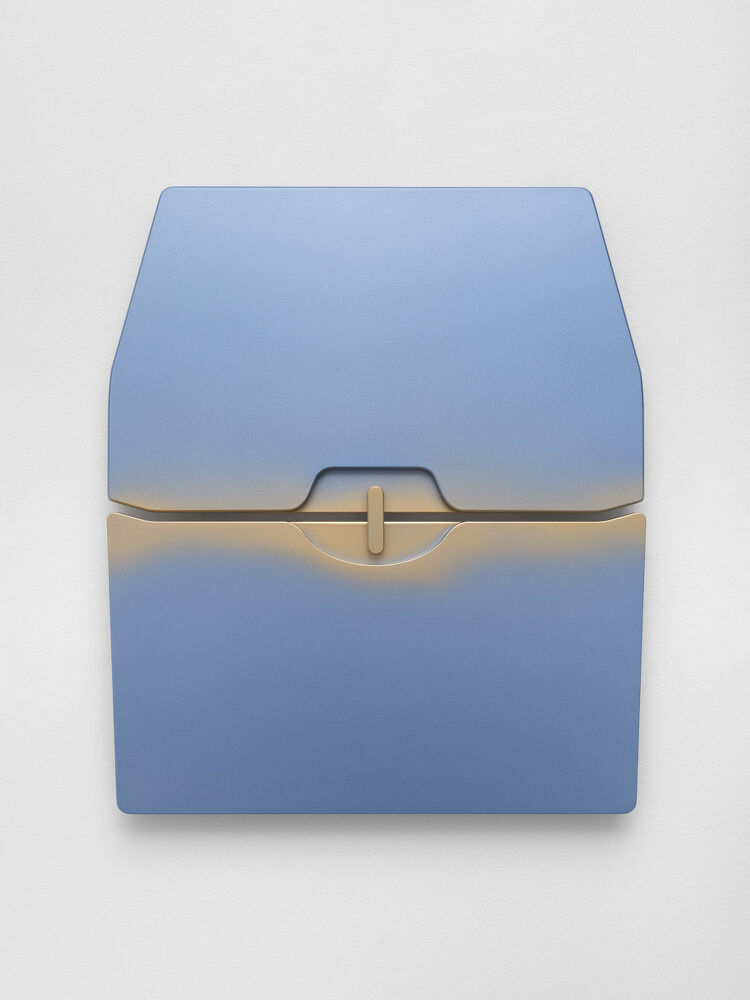
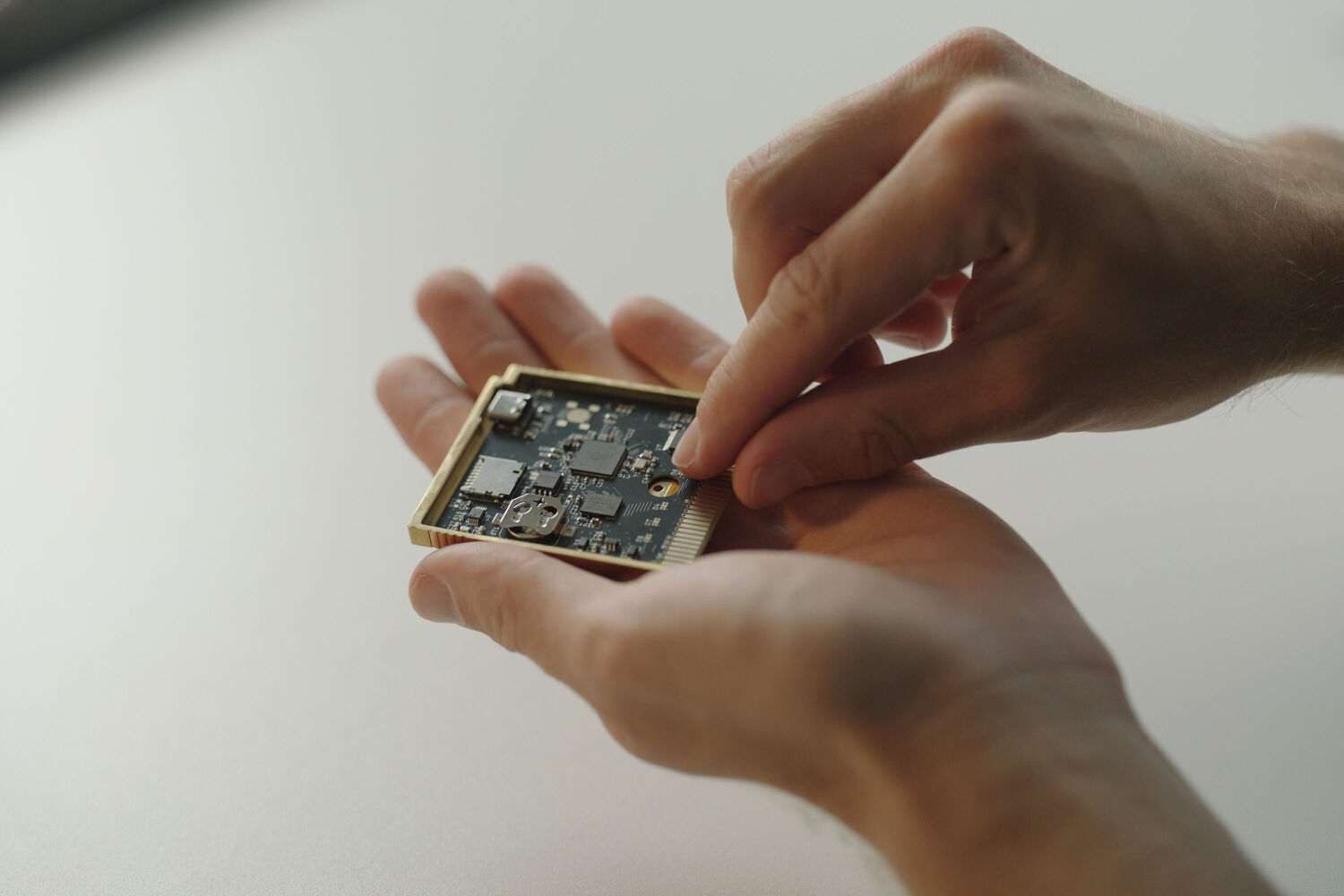
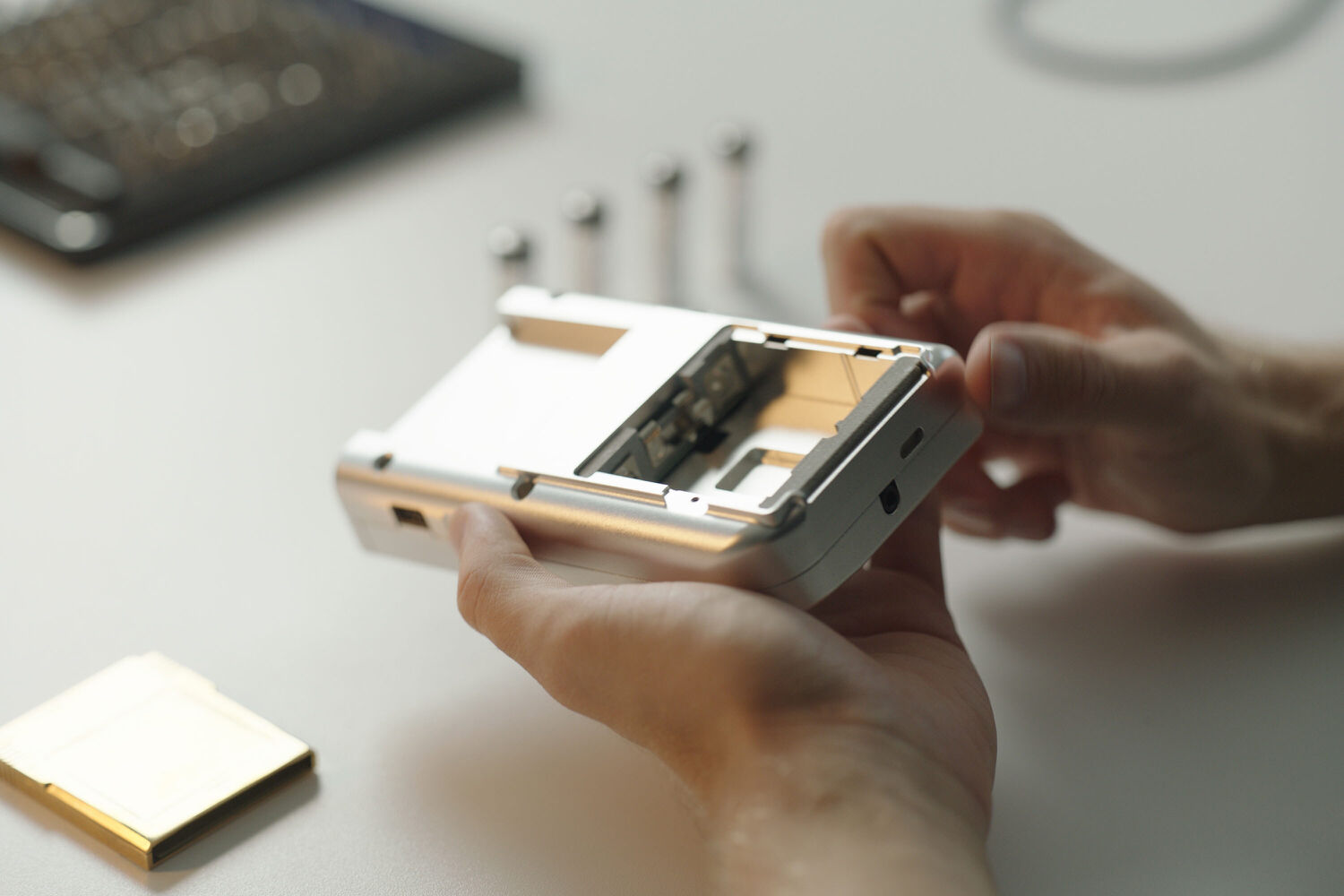
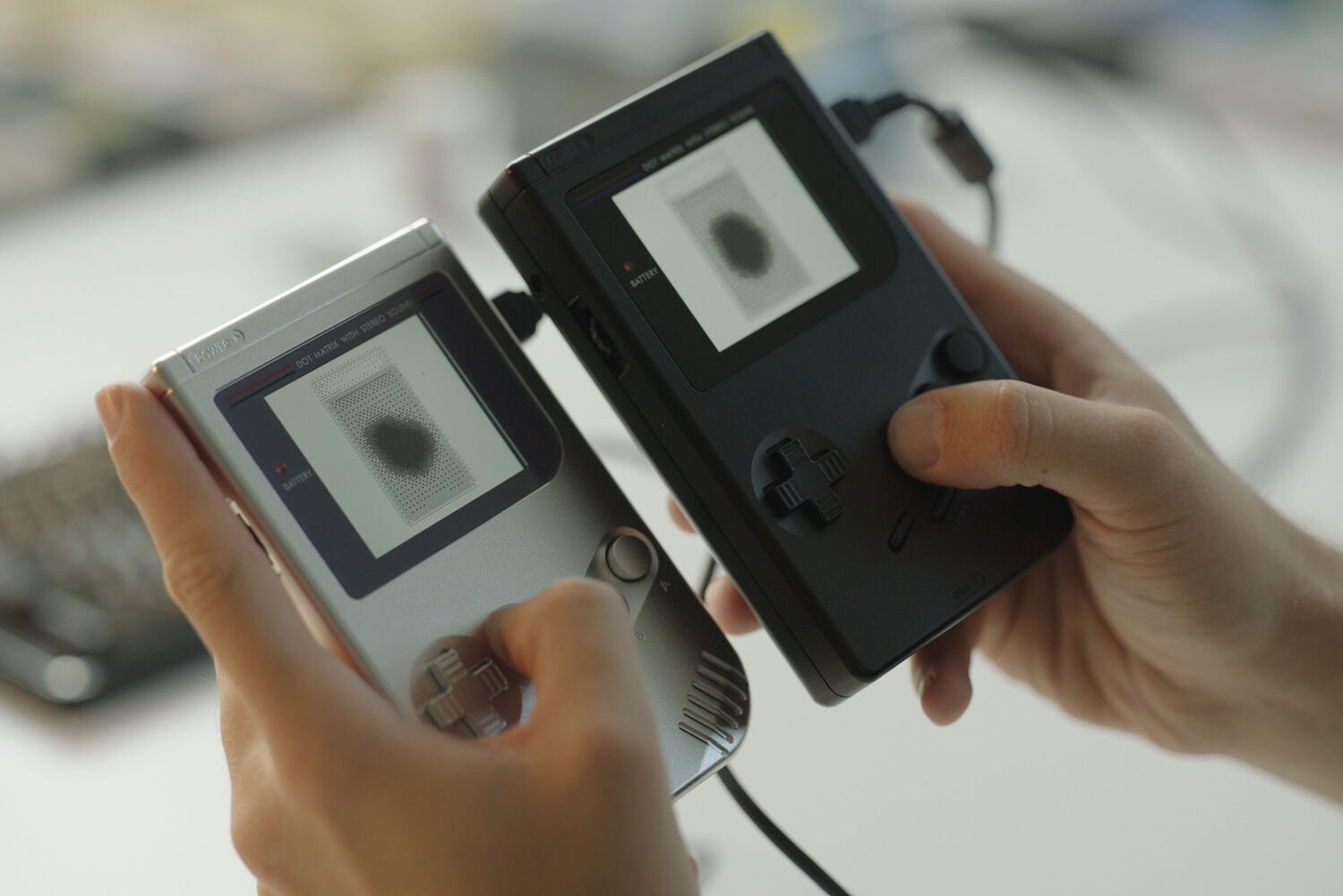
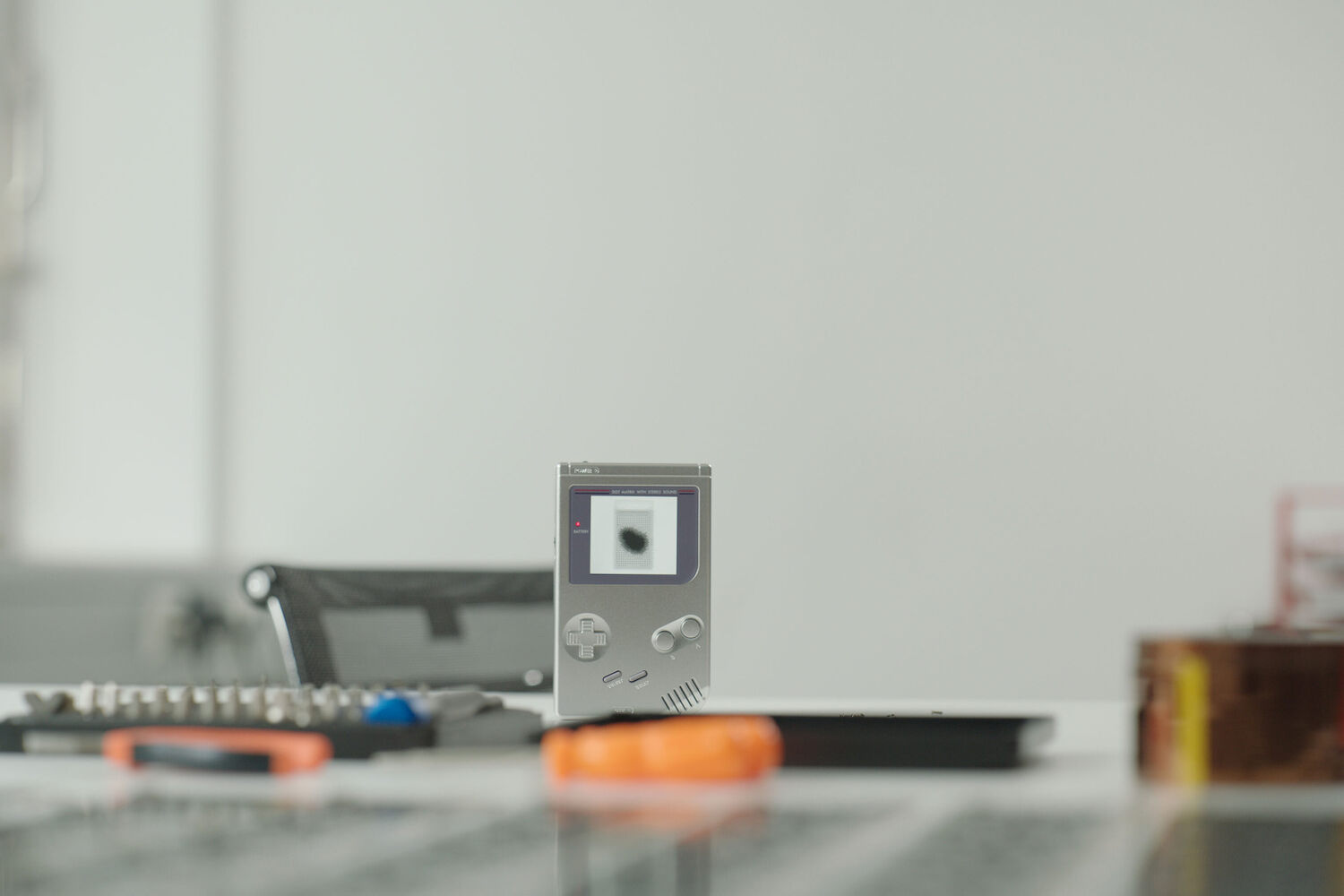
And that's where the second part comes into play. Each entity comes in a solid brass cartridge for the Game Boy. You go on this journey through a cryptographic landscape on Ethereum, and when you find an entity and choose to collect it, you receive it physically in a cartridge made of solid brass. The cartridge itself contains a small computer, and you can run it on a Game Boy.
And so that entity now gets its own interior.
What is the origin of these digital entities, and what does it mean to give them an interior?
These digital beings come from cartridges that I had in my childhood. They would have ceased to exist once the batteries in those cartridges ran out. They go on existing now, and their interiority is established for the first time.
When you take something digital, you can copy it indefinitely. There are two ways to give it a place of its own. One is through cryptographic means. On a blockchain, for example, there is a clear identity of something: this is the one. We can transfer it, but there is no way I can just copy and paste it around.
The other is the cartridge. Once this being is on there, we can no longer remove it from there, and no one can look inside. What these beings do on those cartridges, when they're turned on, is play the game of their own origin.And so, by keeping the Game Boy running, you keep the being alive but also playing.
What does the metaphor of tall grass stand for within the broader context of the work?
Tall Grass (Hidden From View) is a reference to the games I played as a child, where you would have encounters in the tall grass. You cannot see what is in the grass until you walk through it and have an encounter.
To me, the metaphor goes both ways. You can be in the grass, looking out, trying to stay hidden while observing. And there is the inverse, where you look at the grass and try to see into it. You can stand up in the grass and reveal yourself, or go back down. As you move through the grass, you leave traces.
I was enamored by this image of tall grass that you can see the wind in and that you can be part of.
In the bigger picture, I yearn for this ability to hide in the grass again, when really I'm being pulled out into the open at every turn as I move through digital systems.
I think there is a right to opacity, and we shouldn't forget that.
What are you most looking forward to when presenting Tall Grass (Hidden From View) at Art Basel Miami Beach?
I look forward to seeing it in people's hands, and to people connecting their Game Boys and going through this cryptographic ritual. The technical works I make are often hard to grasp. This one is a solid piece of brass with a weight to it, that you can hold, switch on and connect to someone else's.
More details to the single works and the presentation at Art Basel Miami Beach · Zero 10 here
About the artist
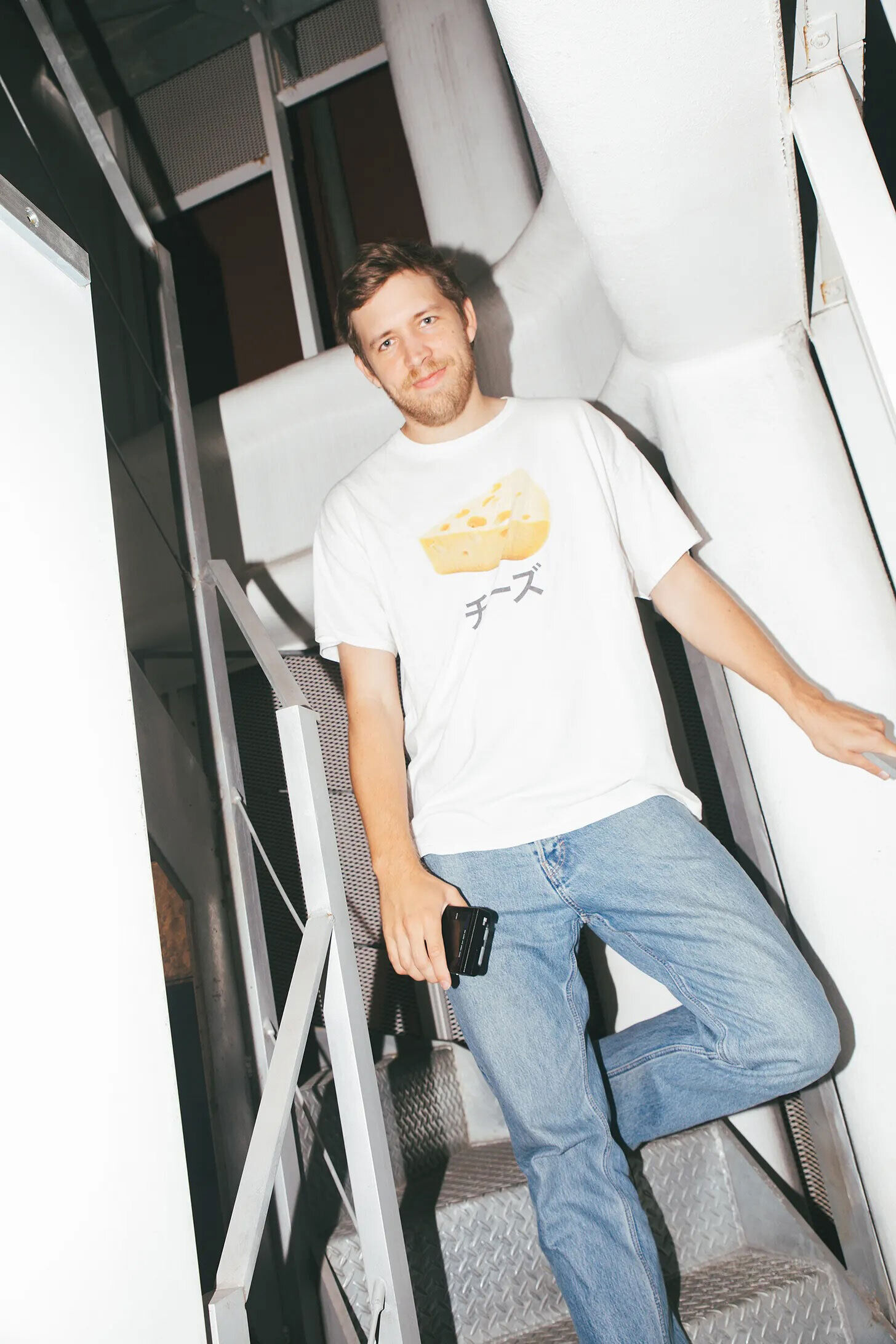
0xfff is a pseudonymous artist exploring computation as the defining medium of the 21st century.
Their work engages with networked and distributed systems as a credibly durable site for artistic meaning-making. Through projects like World Computer Sculpture Garden, they examine how computation structures contemporary experience—often in ways we fail to perceive or understand.
Positioned within the lineage of systems and conceptual art, their practice materializes through networked structures, protocols, and digital artifacts. By revealing and reconfiguring these hidden systems, their work seeks to expand our computational literacy, articulate new ways of engaging with computation, and explore its cultural and structural implications.